
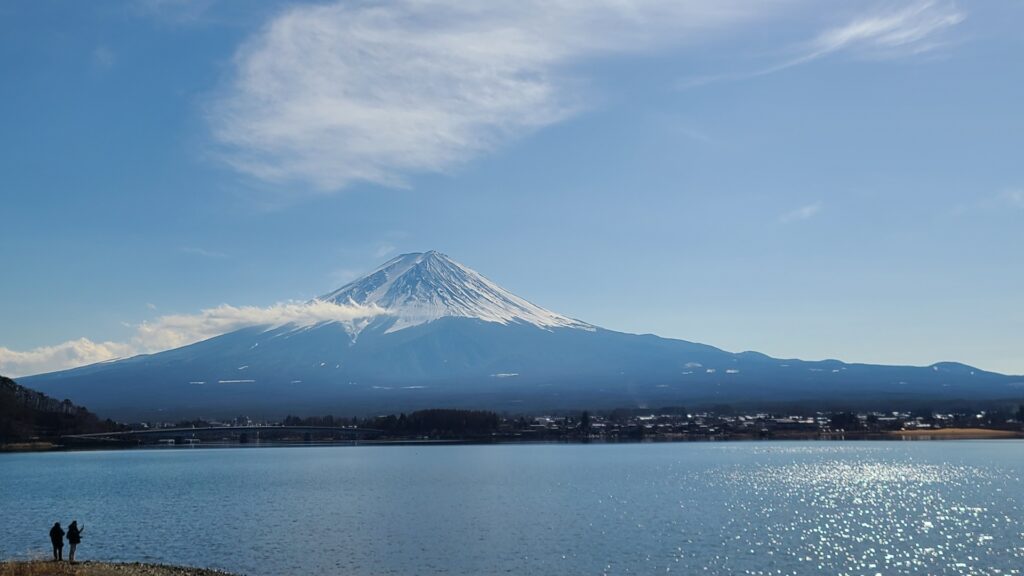
Why Mt. Fuji in Winter is the Best-Kept Secret
When travelers picture Mt. Fuji, many instinctively think of summer — but seasoned visitors know that winter is actually the best season to see Japan’s most iconic mountain. From December through February, cold, dry air creates dramatically clearer skies, offering far more reliable visibility than during warmer months.
Planning your trip? See our Mt. Fuji Private Day Tour page for current pricing and options.
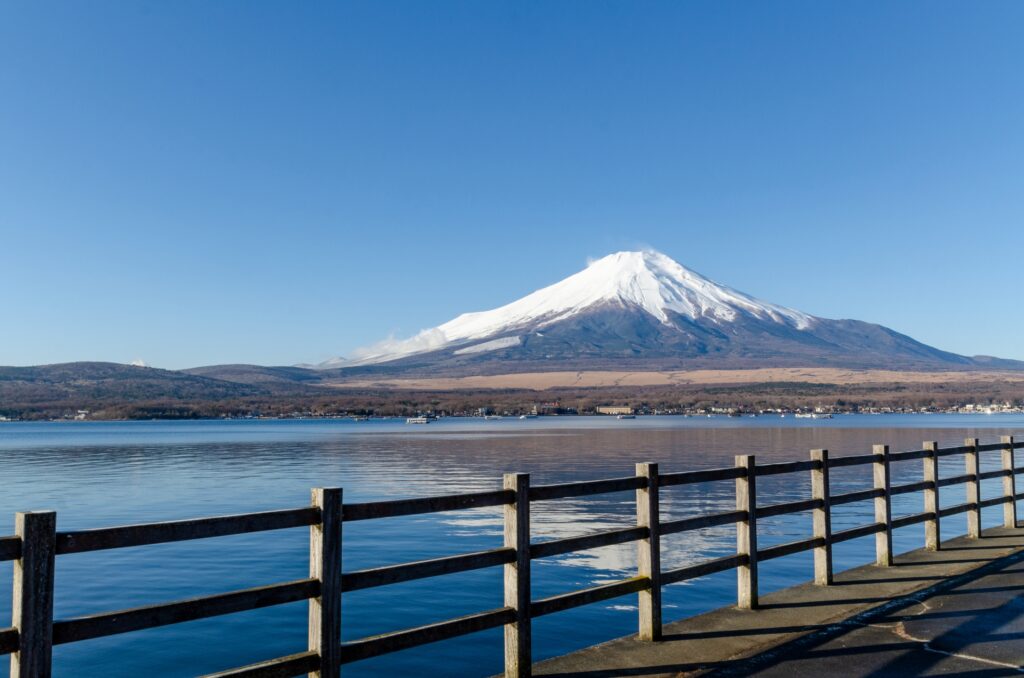
Humidity is low, clouds are fewer, and haze — the biggest obstacle to Fuji viewing — is minimal. As a result, Mt. Fuji often appears sharp, bold, and fully defined against the winter sky. Add a snow-capped summit, and winter delivers the classic, postcard-perfect Fuji that many travelers hope for but don’t always get in other seasons.
For visitors determined to truly see Mt. Fuji, winter offers the highest success rate.
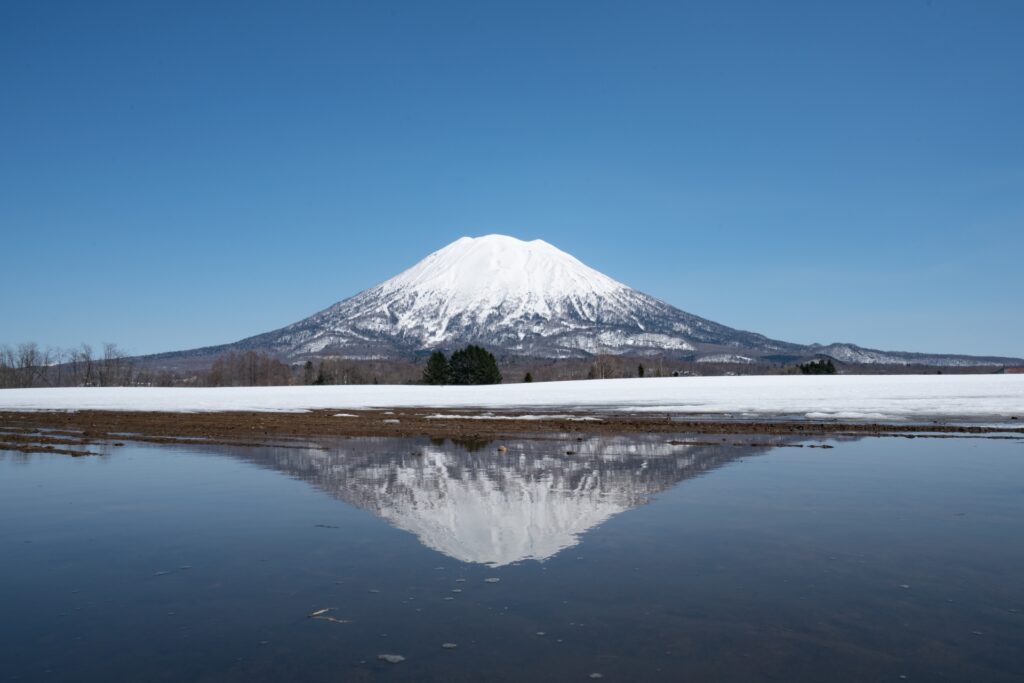
The Winter Advantage: Clear Air, Crisp Views & Snow-Capped Beauty
Winter conditions naturally favor Fuji viewing in several ways:
- Cold air holds less moisture, improving clarity
- Snow enhances contrast, making the mountain stand out
- Fewer afternoon clouds compared to summer
- Mornings are often crystal-clear
In many cases, Mt. Fuji is visible for longer stretches of the day in winter — sometimes from sunrise through early afternoon. This creates excellent opportunities for photography, relaxed viewing, and scenic drives.
However, visibility can still shift throughout the day, which is why flexibility is essential — and where private transport becomes invaluable.
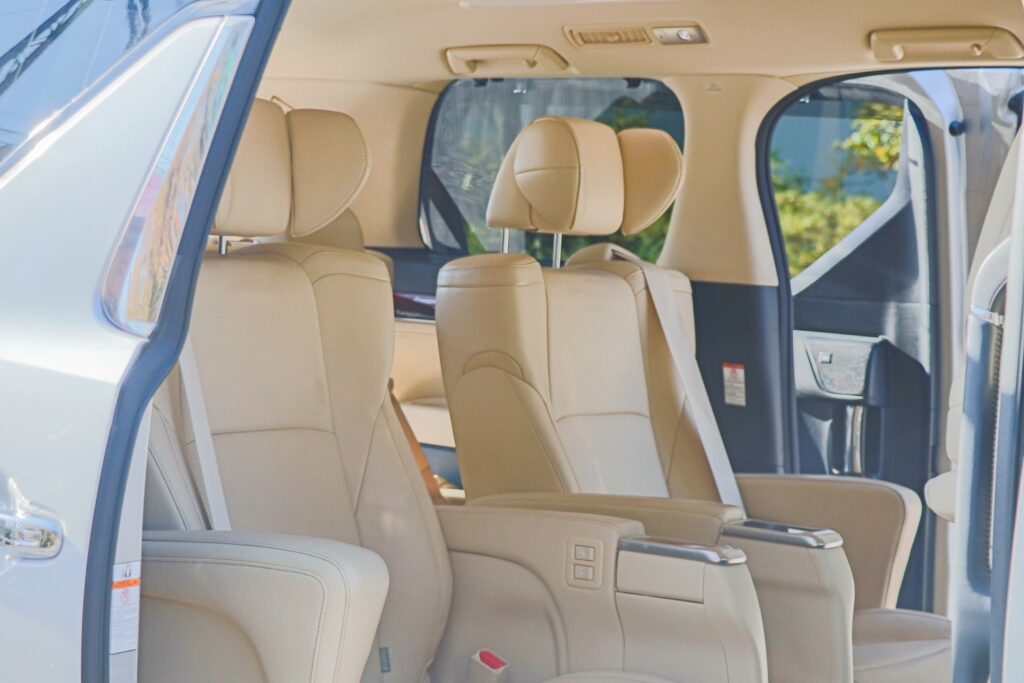
Why Private Transfer Makes All the Difference in Winter
Mt. Fuji is famously unpredictable. Even in winter, clouds can drift in briefly, obscure the summit, and then clear again. Travelers relying on trains or buses are often locked into rigid schedules, unable to adapt when conditions change.
With private transfer, travelers gain:
- Flexible departure times to catch clear mornings
- The ability to wait comfortably if clouds pass through
- Multiple viewing locations in one day
- Warm interiors between outdoor stops
- No rushing for connections or standing on cold platforms
Instead of committing to a single viewpoint and hoping for luck, private transfer allows travelers to chase the clearest skies in real time — dramatically improving success.
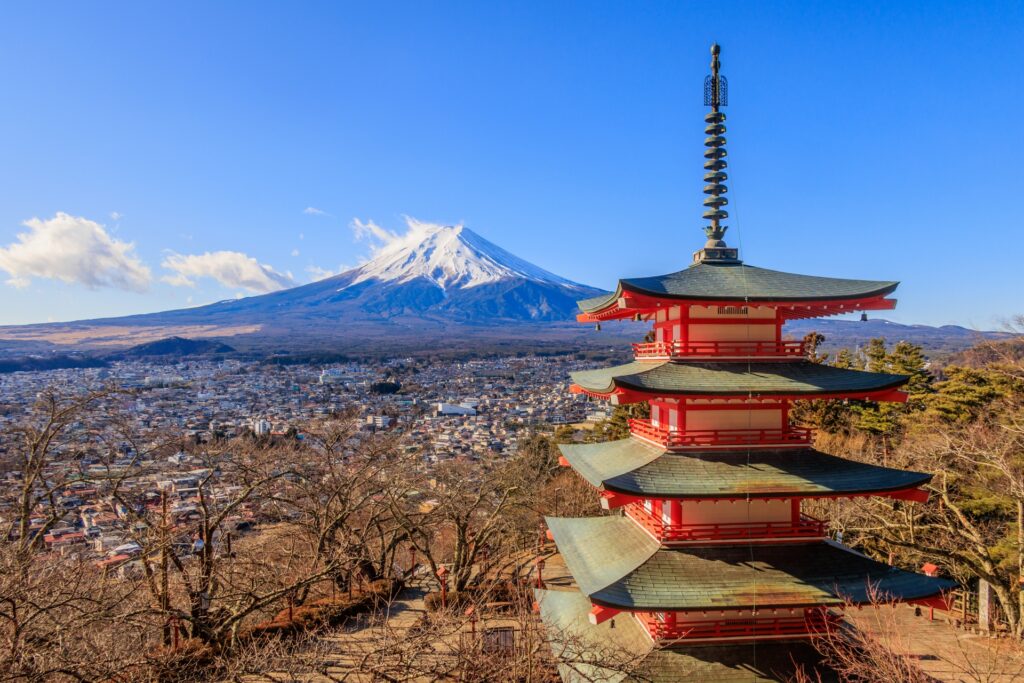
Best Areas to View Mt. Fuji in Winter
Rather than relying on one location, winter Fuji viewing works best by combining several scenic areas. Private transfer makes this seamless.
Lake Kawaguchi (Kawaguchiko)
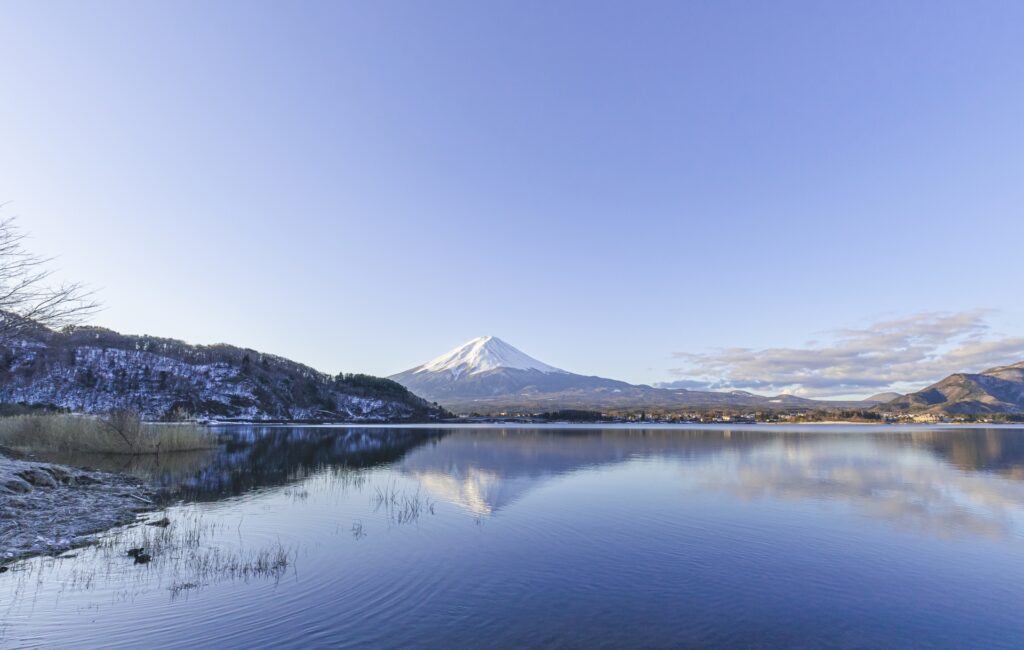
One of the most reliable winter viewing zones, Lake Kawaguchi offers wide-open perspectives and frequent mirror-like reflections on calm mornings. Snow-dusted shorelines and quiet lakeside paths make winter especially atmospheric.
Oshino Hakkai
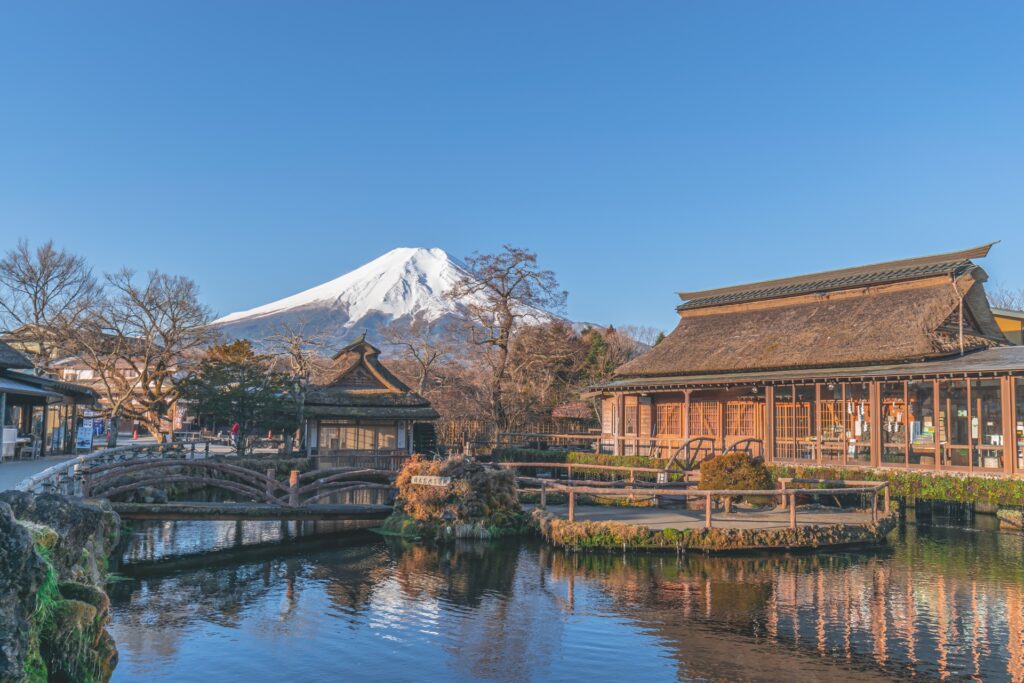
This preserved village features clear spring-fed ponds with unobstructed Fuji views. Winter brings lighter crowds and sharper scenery, making it ideal for relaxed exploration and photography.
Arakurayama Sengen Park (Chureito Pagoda)
One of Japan’s most famous Fuji viewpoints, this location is especially striking in winter when visibility is high and crowds are lighter. Private drop-offs reduce walking strain and help time visits around weather conditions.
Hakone Scenic Viewpoints
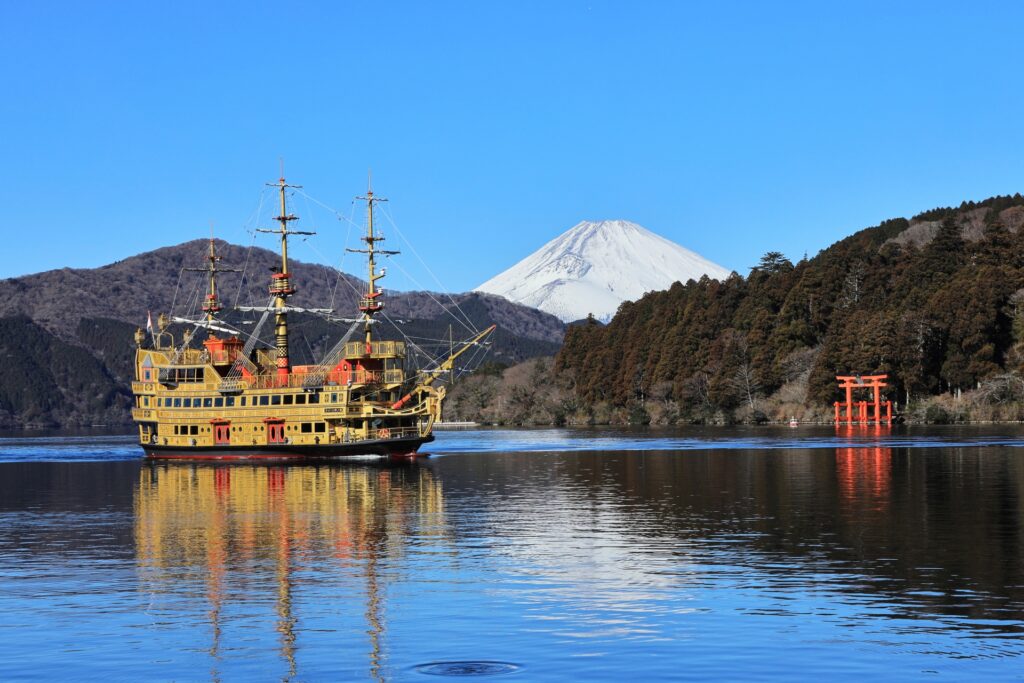
On exceptionally clear winter days, Mt. Fuji appears across Lake Ashi and elevated viewpoints in Hakone. Pairing Fuji viewing with museums, lakeside walks, or an onsen visit makes for a well-balanced winter day.
Ideal Winter Fuji Experiences with Private Transfer
Winter Fuji trips aren’t just about seeing the mountain — they’re about enjoying the journey comfortably.
Private transfer allows travelers to:
- Combine Fuji viewing with hot spring stops
- Enjoy scenic winter drives through countryside roads
- Adjust walking distances based on weather and comfort
- Stay warm while maximizing outdoor viewing moments
This is especially valuable for families, senior travelers, photographers, and couples seeking a calm, unrushed experience.
Who This Winter Mt. Fuji Trip Is Perfect For
Winter Fuji viewing with private transfer is ideal for:
- First-time visitors eager to see Fuji clearly
- Photographers chasing crisp winter light
- Families wanting warm, efficient travel
- Seniors preferring minimal walking and flexible pacing
- Travelers visiting Japan outside peak seasons
Winter doesn’t limit Fuji viewing — it enhances it.
How Hire Taxi Japan Enhances Winter Fuji Viewing
Hire Taxi Japan offers customized winter Mt. Fuji viewing trips and transfers from Tokyo, Hakone, and surrounding areas, designed specifically around seasonal conditions.
Key benefits include:
- Experienced drivers familiar with winter roads
- Flexible routing based on live visibility
- Comfortable, heated vehicles
- Door-to-door hotel pickup and drop-off
- Easy pairing with Hakone, Kawaguchiko, or onsen visits
Rather than hoping for good weather at a single stop, travelers can move strategically — increasing visibility chances while staying warm and relaxed.
A Winter View Worth the Journey
Mt. Fuji in winter is Japan at its most iconic — crisp, powerful, and unforgettable. With clearer skies, snow-capped beauty, and fewer crowds, the season offers the best opportunity to experience the mountain as it’s meant to be seen.
When paired with private transfer, winter Fuji viewing becomes effortless and rewarding. Flexible timing, multiple viewpoints, and warm travel conditions transform a once-uncertain experience into a true highlight of any Japan winter itinerary.
If seeing Mt. Fuji clearly is on your wish list, winter — and the right transport — makes all the difference.