
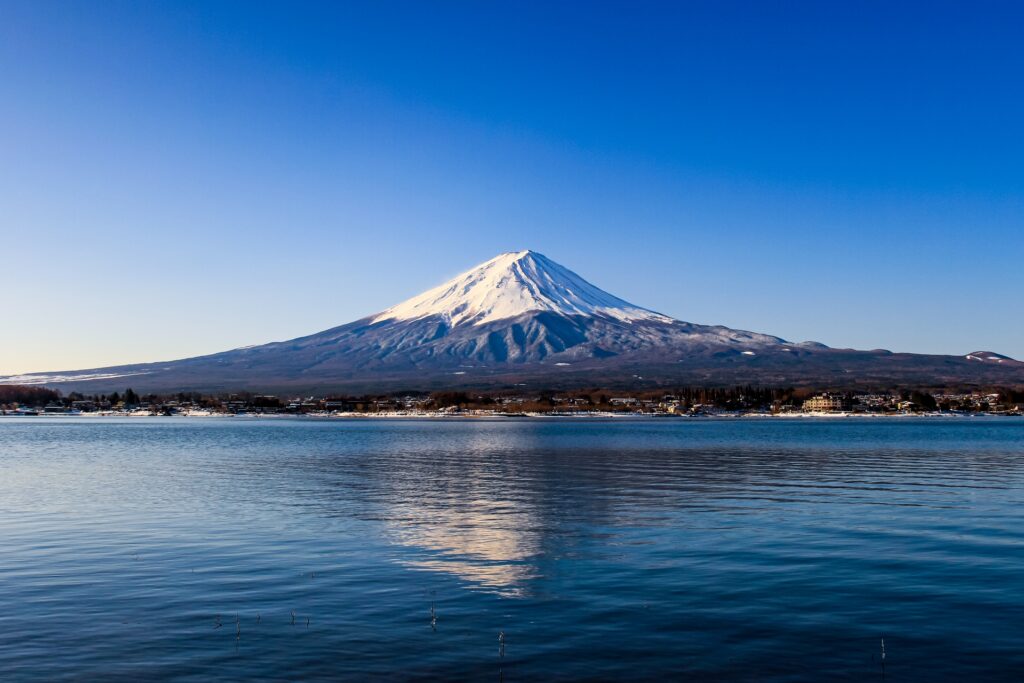
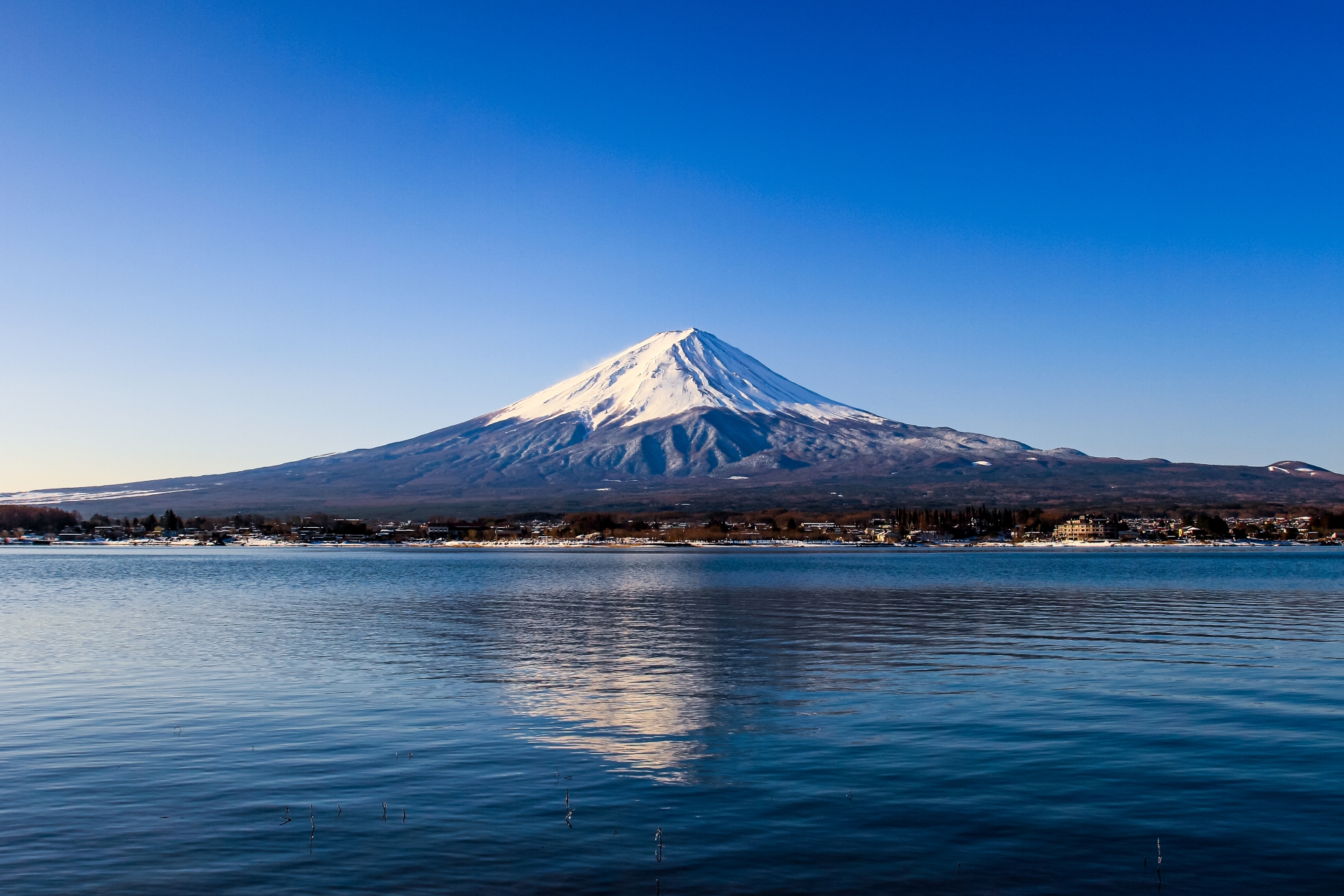
Winter is a wonderful time to visit Japan, offering everything from snow-covered mountain villages and relaxing hot springs to dazzling illuminations and comforting seasonal food. Cities such as Tokyo, Kyoto and Osaka offer plenty to enjoy during the colder months, while destinations in the mountains provide a completely different winter experience.
However, travelling around Japan between December and February can require a little extra planning, especially if it is your first visit. From choosing the right clothing to understanding seasonal transport conditions, here are ten things to know before planning your winter trip to Japan.
1. Winter Weather Varies Across Japan
Japan’s winter climate differs considerably depending on where you travel.
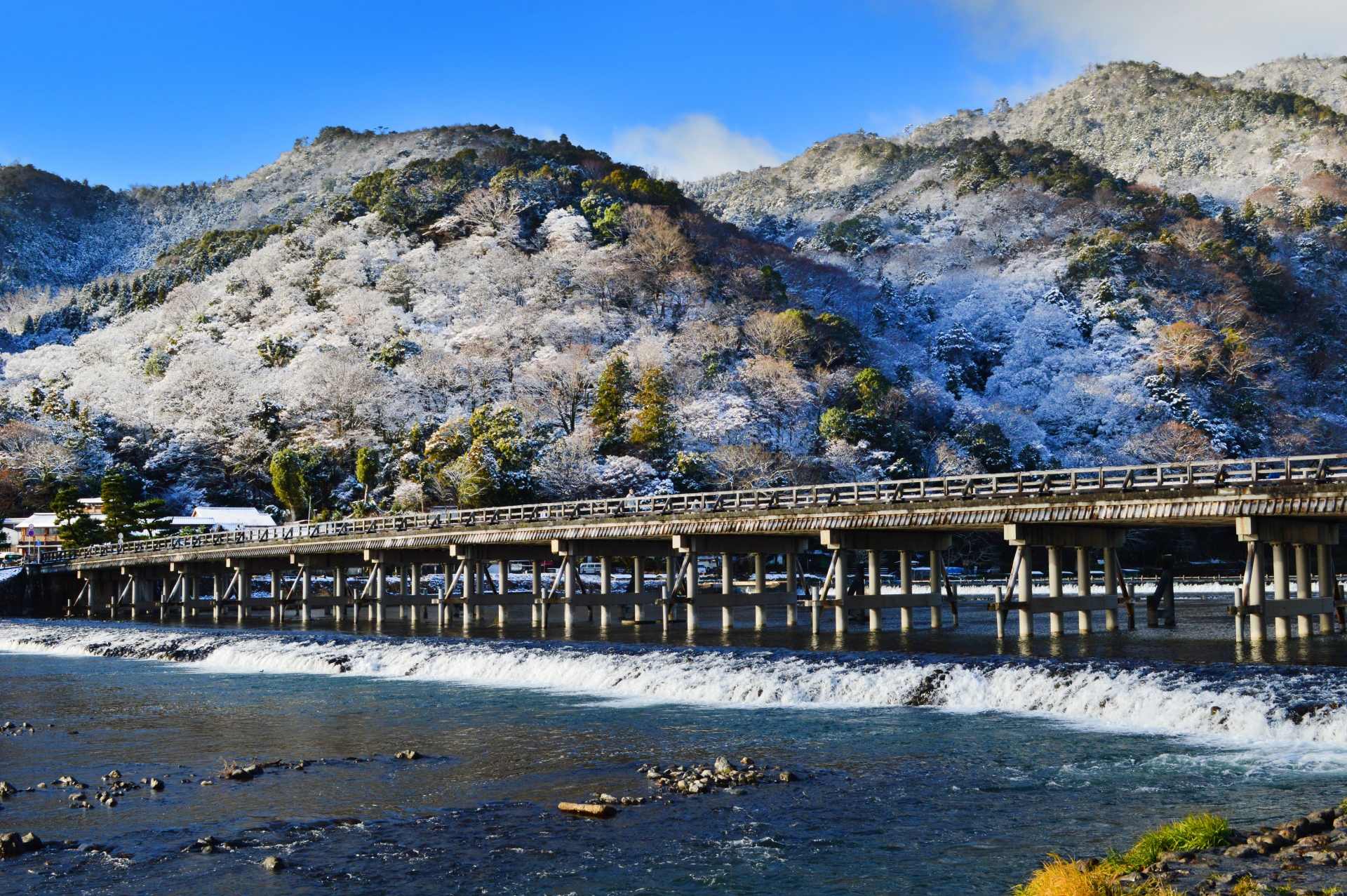
Tokyo, Kyoto and Osaka generally experience cold but relatively dry winters, although temperatures can drop significantly in the evenings. Mountain regions and areas along the Sea of Japan coast can experience heavy snowfall, while Okinawa remains much milder.
If you plan to visit several regions, check the forecast for each destination rather than assuming the weather will be similar throughout the country. Packing layers will help you stay comfortable as temperatures change during the day.
2. Pack Warm Layers and Comfortable Shoes
Winter sightseeing often involves spending hours outdoors, walking between attractions and waiting for transport. Bringing suitable clothing can make a significant difference to your comfort.
Pack a warm coat, thermal layers, a scarf, gloves and comfortable shoes. If you plan to visit snowy destinations, waterproof footwear with good grip is particularly useful.
Indoor spaces, including trains, shops and restaurants, are often heated, so wearing several lighter layers can be more practical than relying on one extremely thick outfit.
3. Winter Illuminations Are Worth Planning Around
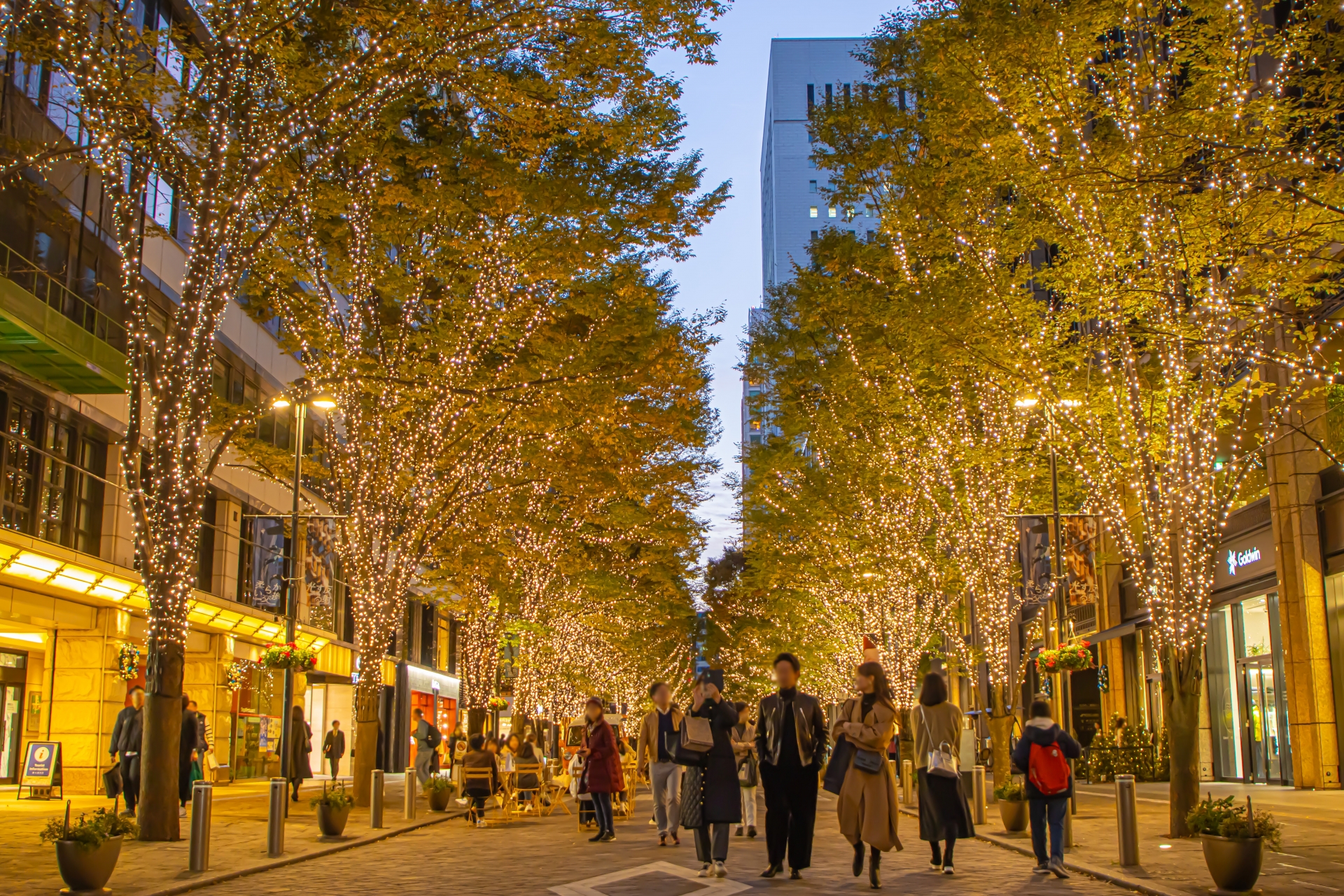
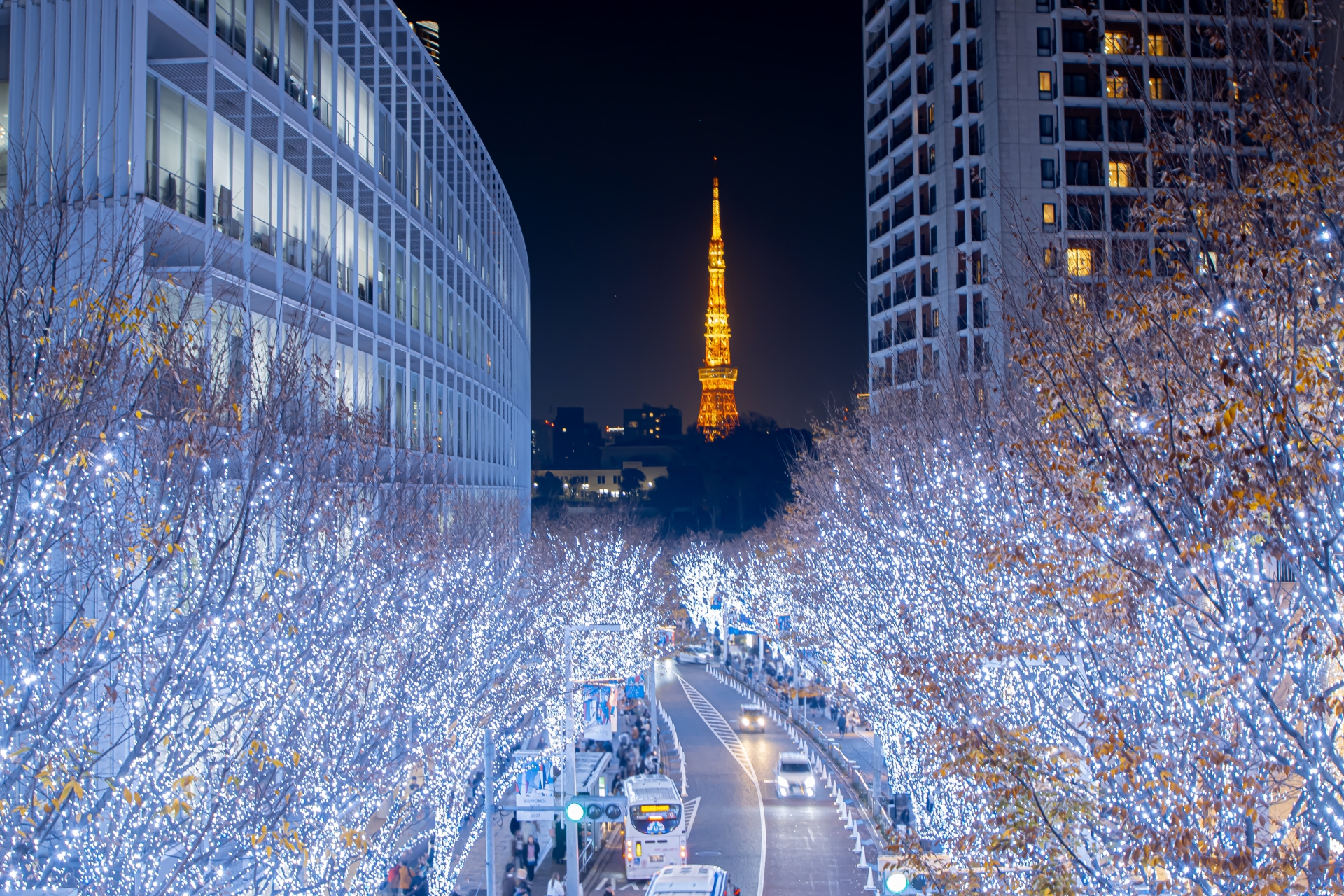
Japan’s winter illuminations are among the season’s most memorable attractions. Cities transform parks, shopping districts and historic landmarks with elaborate displays of lights.
In Tokyo, areas such as Marunouchi and Roppongi are popular for evening illuminations. Kyoto and Osaka also host seasonal light displays, offering opportunities to enjoy the cities after sunset.
Many illuminations begin in November and continue through December or into the new year, although dates vary by location. Check event schedules before travelling, particularly if a specific display is high on your list.
4. Enjoy Japan’s Seasonal Winter Food
Cold weather is the perfect excuse to explore Japan’s comforting winter dishes.
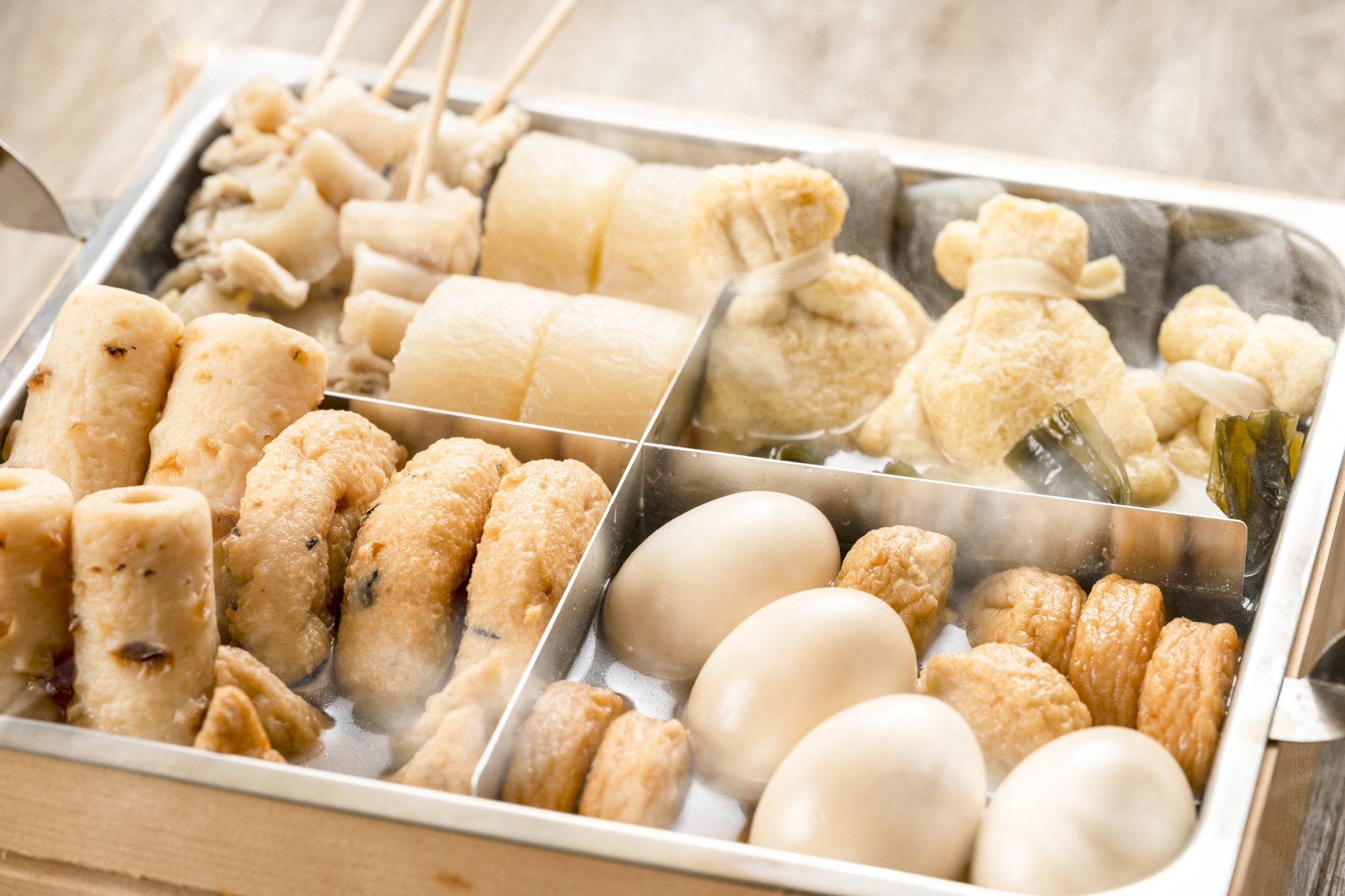
Try nabe, a Japanese hot pot typically made with vegetables, mushrooms, tofu and meat or seafood cooked in a flavourful broth. Other seasonal favourites include oden, a simmered dish featuring ingredients such as daikon radish, boiled eggs and fish cakes.
You can also look for steaming nikuman buns, warming bowls of ramen and roasted sweet potatoes known as yakiimo.
Seasonal dishes are available at restaurants, food markets and casual eateries, making winter an excellent time to discover another side of Japanese food culture.
5. Visit an Onsen for a Traditional Winter Experience
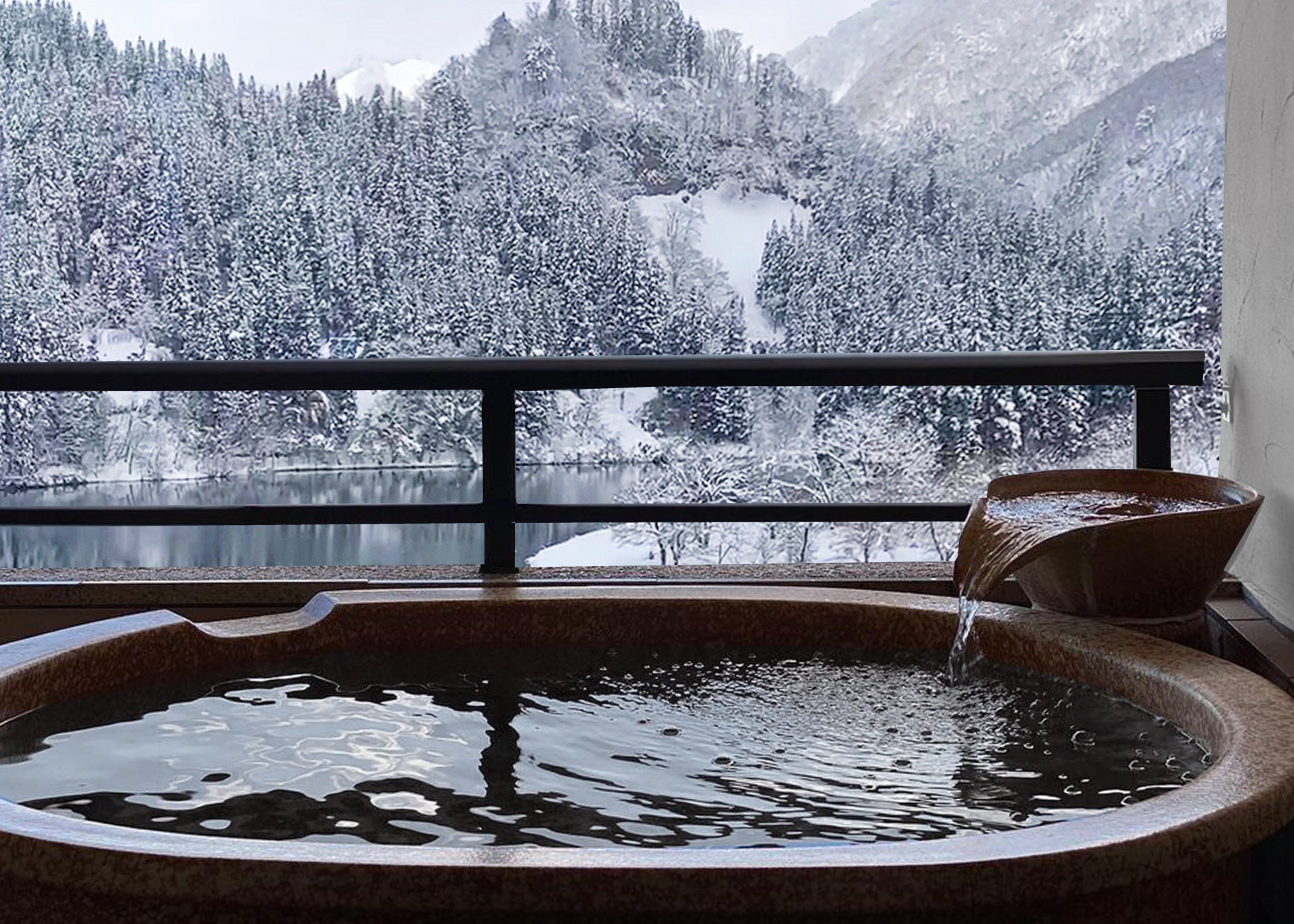
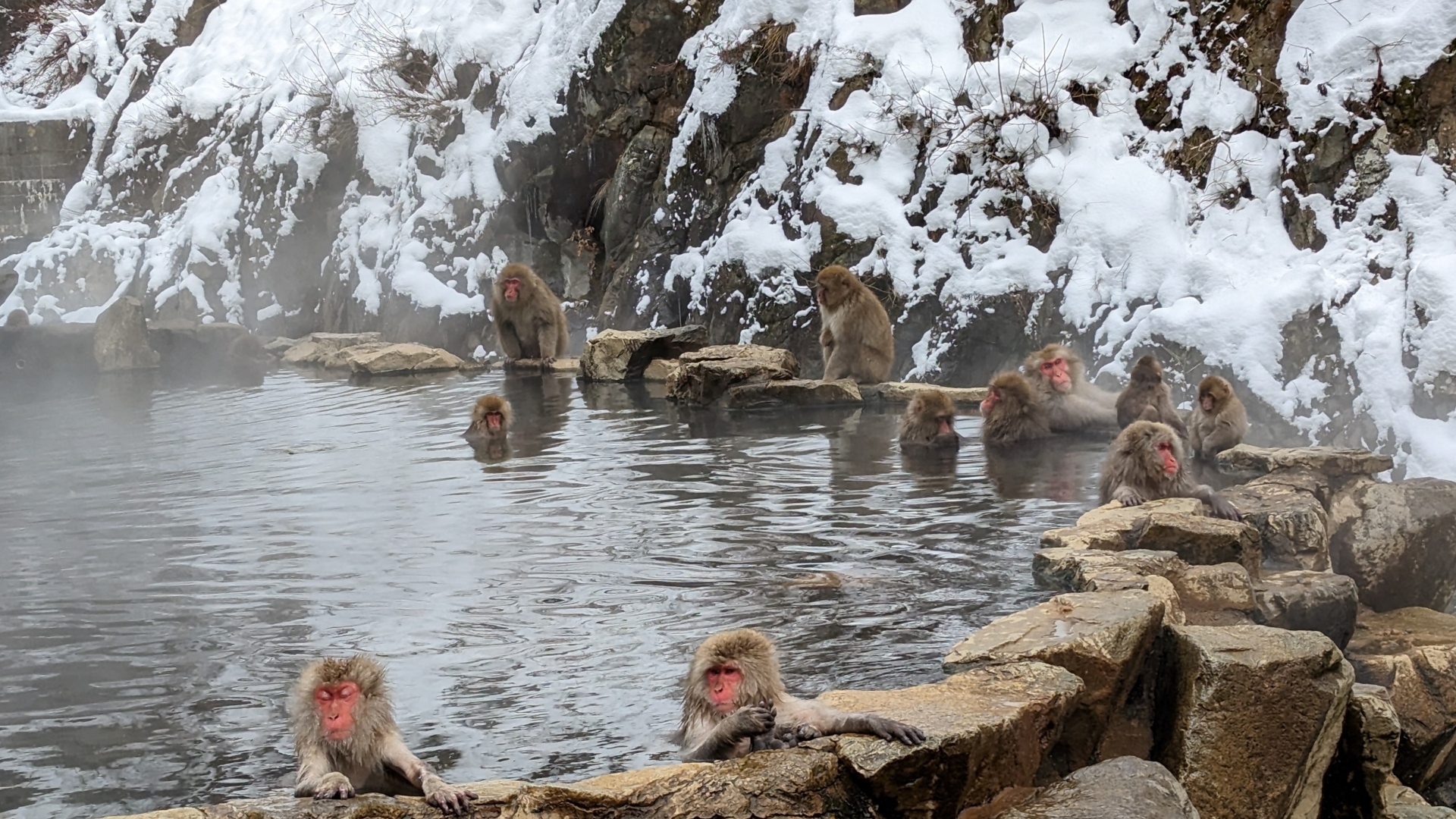
Few experiences feel more relaxing during winter than soaking in a Japanese hot spring, known as an onsen.
Destinations such as Hakone, Kusatsu Onsen and Kinosaki Onsen are popular for their hot spring facilities and traditional Japanese inns. Some offer outdoor baths where you can enjoy the surrounding winter scenery while relaxing in warm mineral water.
If you plan to visit an onsen, familiarise yourself with the bathing etiquette beforehand. Many traditional public baths require guests to wash before entering the bath, and bathing suits are generally not permitted in standard communal facilities.
6. Allow Extra Time for Winter Travel
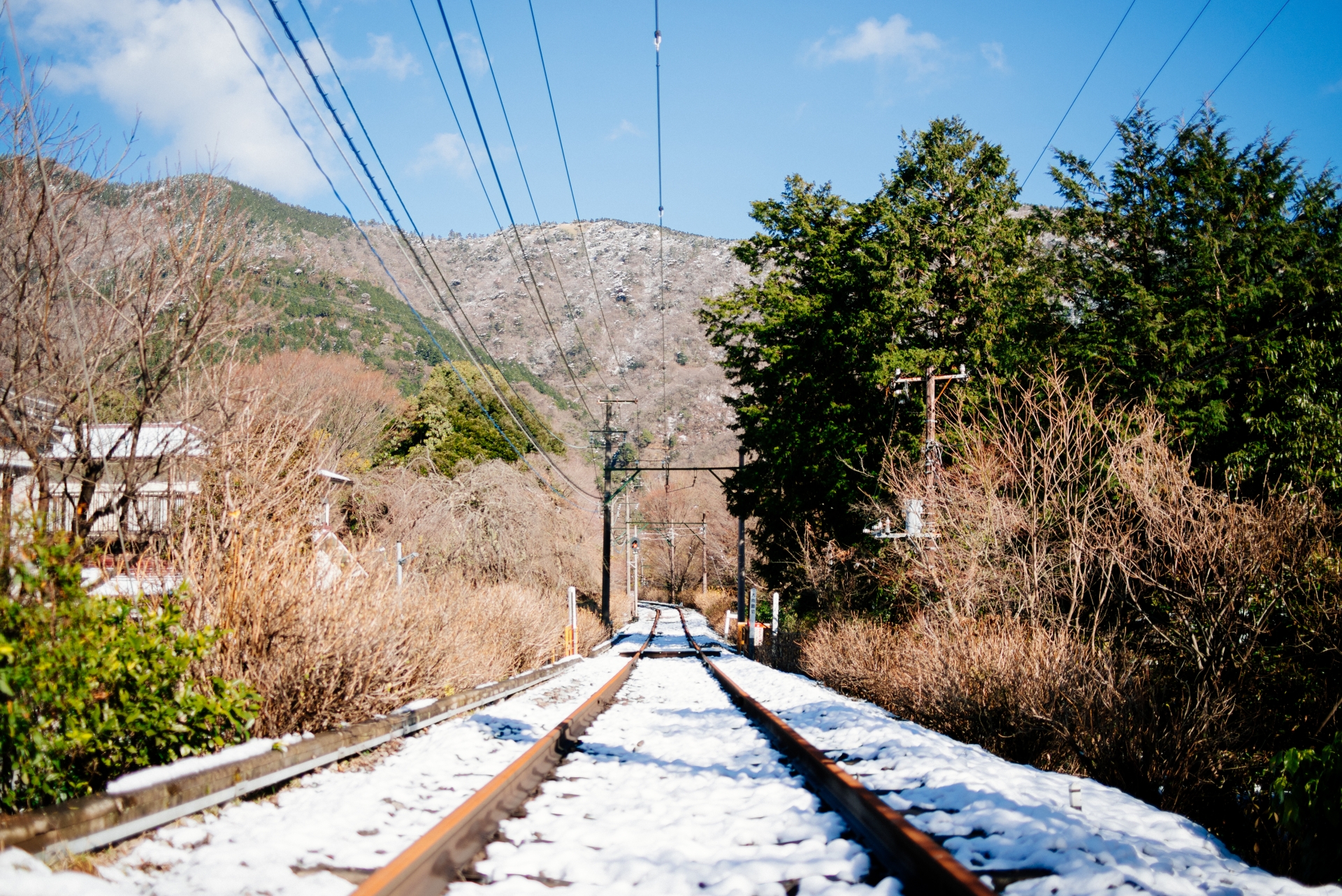
Japan’s transport network is extensive, but snow and severe weather can occasionally cause delays or cancellations, particularly in mountain regions.
If your itinerary includes snowy destinations, check weather forecasts and transport updates before departure. Avoid planning important connections too tightly, especially when travelling long distances.
For rural sightseeing, a private vehicle can offer greater flexibility when visiting several attractions.
However, road conditions can also be affected by snow and ice, so winter driving plans should always take local conditions into account.
7. Plan Your Days Around Shorter Daylight Hours
Winter days are shorter than summer days, which affects how much sightseeing you can comfortably fit into one day.
Outdoor attractions are generally easier to explore during daylight, while illuminations and evening dining can be planned for after sunset.
Try to visit gardens, scenic viewpoints and outdoor landmarks earlier in the day. Grouping attractions by location can also help you avoid unnecessary travel and make the most of your time.
8. Book Accommodation and Popular Attractions in Advance
Winter travel can be busy around Christmas, New Year and popular snow destinations.
Accommodation in hot spring towns and ski resorts may fill up quickly, particularly during weekends and school holidays. Seasonal illuminations and special events can also attract large crowds.
If you plan to travel around New Year, remember that some restaurants, shops and attractions may operate reduced hours or close temporarily. Booking accommodation and checking opening schedules in advance will help you avoid disappointment.
9. Understand Japan’s New Year Period
New Year, known as Oshogatsu, is one of Japan’s most important holiday periods.
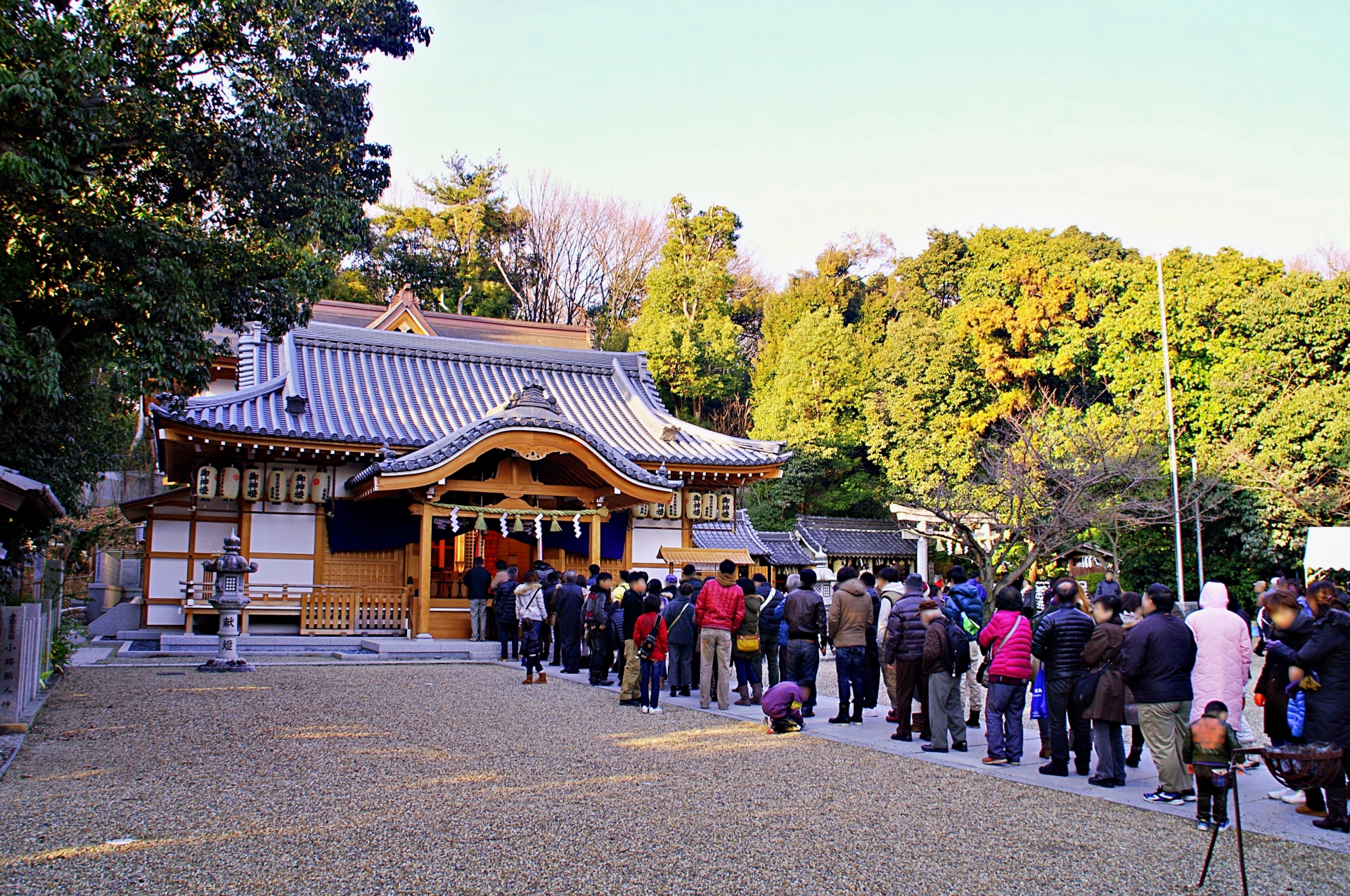
Many people visit shrines and temples for hatsumode, the first shrine or temple visit of the year. Popular locations can become extremely crowded, particularly around midnight on New Year’s Eve and during the first few days of January.
Some businesses close or adjust their hours during this period, while major transport routes can be busy with people travelling to visit family.
If you are visiting Japan around New Year, plan ahead and allow extra time for transport and sightseeing.
10. Choose Destinations That Match Your Winter Plans
Japan offers very different experiences depending on the type of winter holiday you want.
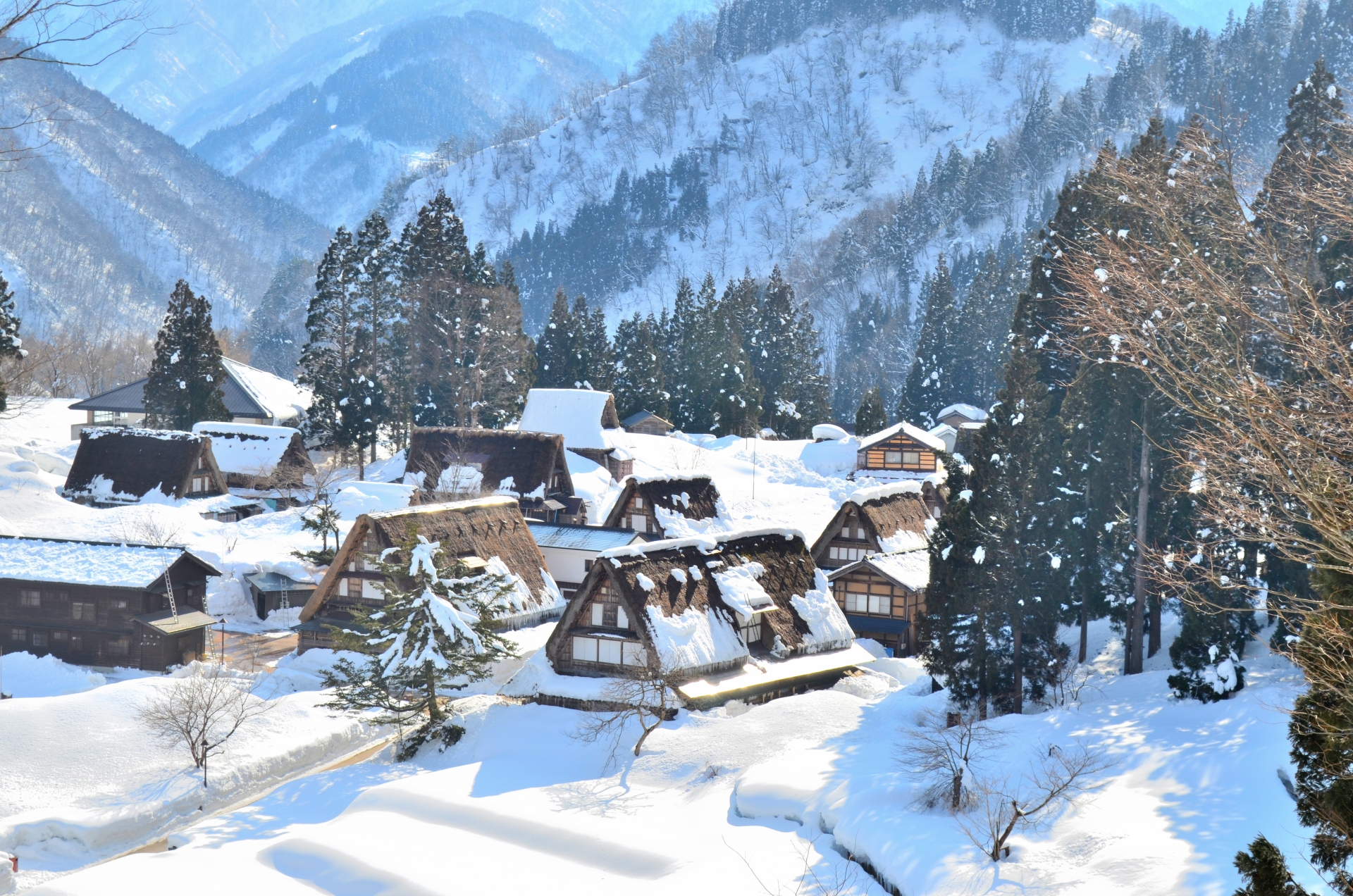
For city sightseeing, Tokyo, Kyoto and Osaka offer cultural attractions, shopping, seasonal food and illuminations. For hot springs and mountain scenery, consider Hakone or Kusatsu Onsen. If snow-covered landscapes are your priority, destinations such as Shirakawa-go and Takayama can offer beautiful winter scenery when conditions are right.
Think about travel time, weather and the experiences you most want to enjoy before finalising your itinerary. Trying to visit too many distant destinations in a short trip can leave you spending more time travelling than exploring.
Explore Japan in Winter by Private Vehicle
A private vehicle can make winter sightseeing more comfortable, particularly if you are travelling with family, carrying luggage or visiting several destinations in one day.
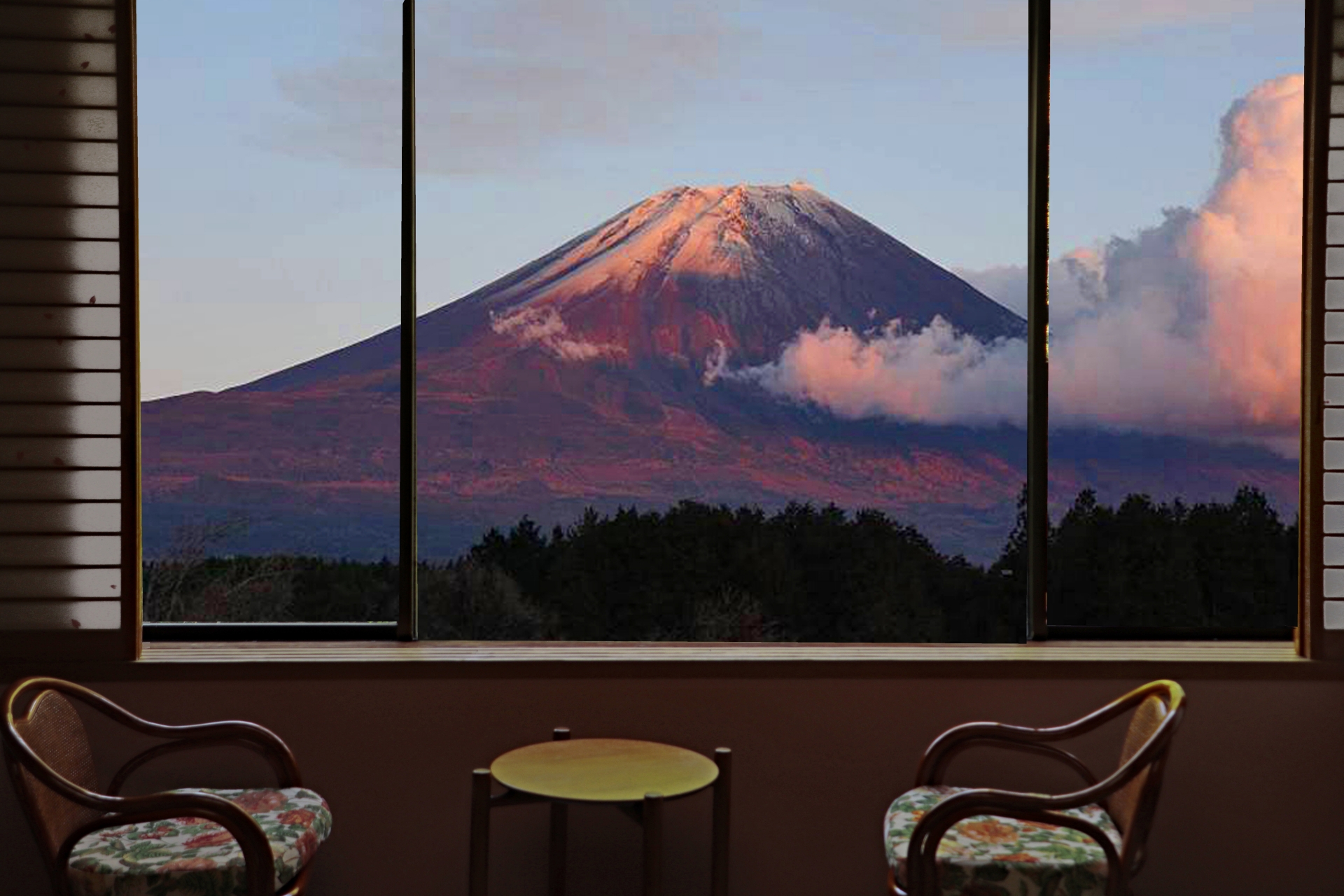
Instead of navigating multiple transport connections, you can travel directly between attractions and keep your itinerary flexible. This can be especially useful for airport transfers, countryside excursions and sightseeing around destinations such as Kyoto, Osaka and the Mt. Fuji area.
With Hire Taxi Japan, you can arrange private transportation for airport transfers, day trips and sightseeing journeys. Planning your transport in advance can help make your winter holiday more comfortable, particularly when temperatures drop or daylight hours are limited.
Make the Most of Your Winter Trip to Japan
From seasonal food and colourful illuminations to hot springs and snow-covered countryside, Japan offers plenty of reasons to visit during winter.
With the right clothing, a flexible itinerary and some advance planning, you can enjoy the season comfortably while discovering experiences that are unique to the colder months.
Whether you are visiting Japan for the first time or returning to explore a different region, winter is an excellent opportunity to experience the country’s culture, landscapes and hospitality from a new perspective.
Book your private transfers and tours today with Hire Taxi Japan.