
New Year in Japan: A Quiet Shift as the Year Draws to a Close
The final days of December in Japan feel markedly different from the rest of the year. Streets become calmer, businesses slow down, and a gentle sense of reflection settles across cities and towns alike. Rather than celebrating loudly, Japan prepares thoughtfully — focusing on cleansing, gratitude, and welcoming the year ahead with intention.
For travelers visiting Japan before New Year’s Eve, this transitional period offers a rare and meaningful window into everyday traditions that are deeply rooted in Japanese culture. It’s a time when the country turns inward, creating a calm, atmospheric backdrop that feels especially poignant in winter.
Ōsōji: More Than Just Cleaning
One of the most significant year-end traditions is ōsōji, the practice of thoroughly cleaning homes, offices, shops, and public spaces. Unlike regular cleaning, ōsōji is symbolic — representing the removal of dust, negative energy, and unresolved matters from the past year.
During late December in Japan, visitors may notice:
- Shopkeepers washing windows and signage
- Temples sweeping pathways and halls
- Office workers tidying desks before closing for holidays
This collective act reflects the belief that a clean environment allows good fortune and positive energy to enter in the New Year.

Sacred New Year Decorations That Signal Renewal
As December progresses, traditional New Year decorations begin appearing throughout Japan. These are not merely decorative — they are deeply symbolic.
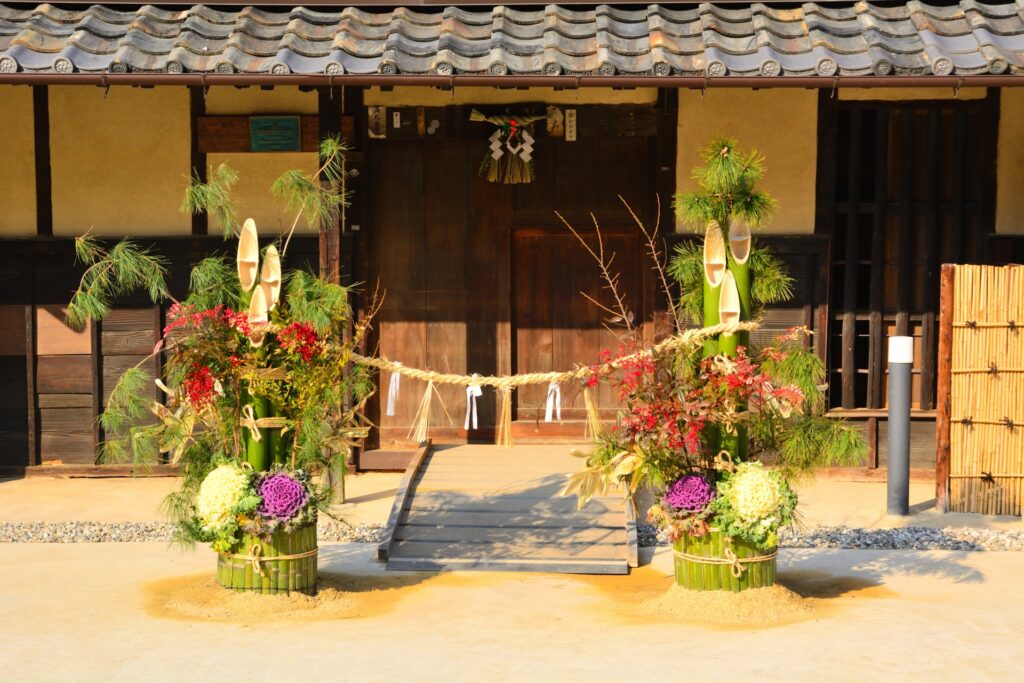
Kadomatsu, arrangements made of pine, bamboo, and plum branches, are placed at entrances to welcome Toshigami, the deity of the New Year. Pine symbolizes longevity, bamboo represents growth and resilience, and plum signifies renewal.
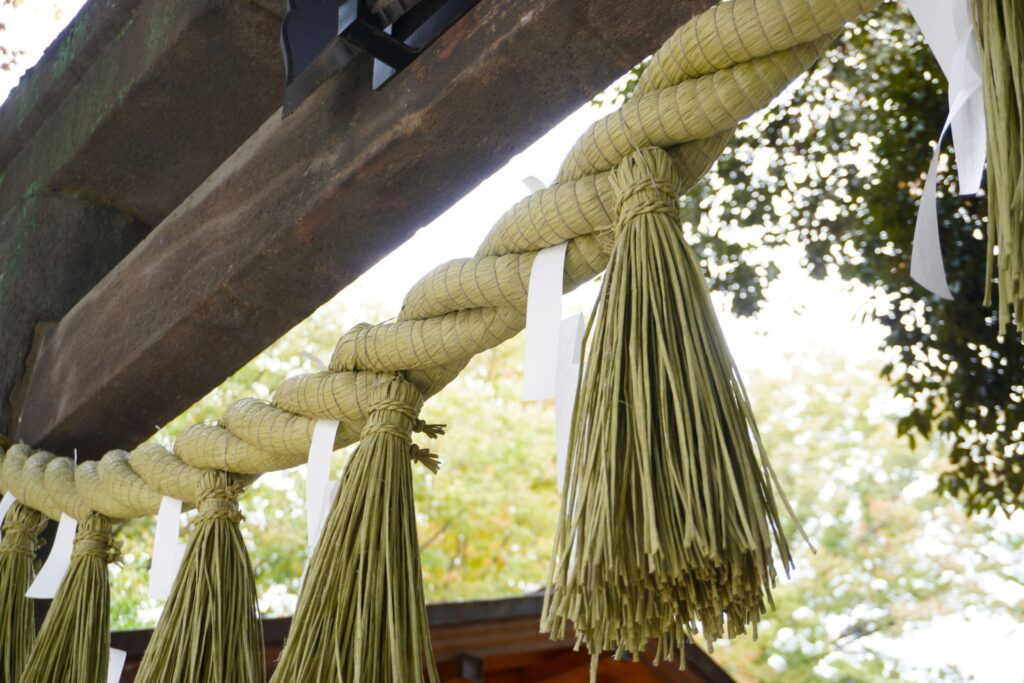
Shimenawa ropes, often adorned with folded paper streamers, mark purified spaces and are commonly seen at shrines, temples, and storefronts.
For travelers, these subtle visual cues signal that Japan is preparing spiritually as well as practically for the year ahead.
Preparing for Days of Rest: Food & Planning
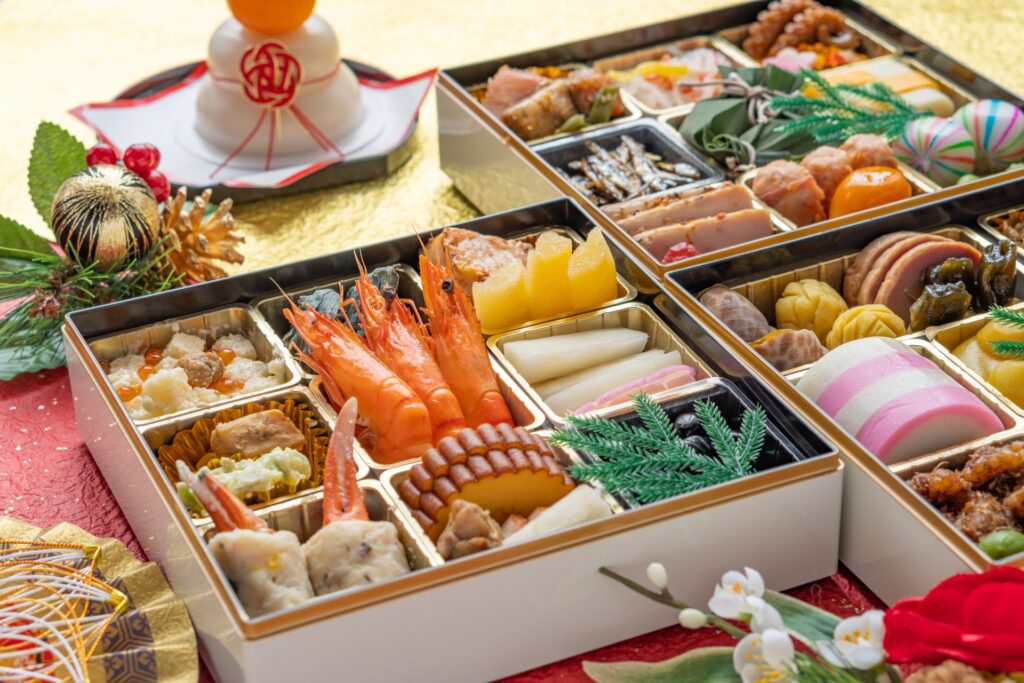
In the days leading up to January 1, families prepare osechi ryori, a collection of symbolic dishes packed into lacquered boxes. Each dish carries meaning — prosperity, happiness, health, or success — and is designed to last several days.
This preparation allows families to rest during the first days of January, when cooking is traditionally avoided.
Travelers may notice supermarkets stocked with special ingredients, while restaurants begin reducing hours as the holiday approaches.
The Calm of December 31
New Year’s Eve in Japan is notably peaceful. Rather than parties or countdown events, families spend the evening quietly at home. Streets empty early, lights glow softly, and a sense of shared anticipation fills the air.
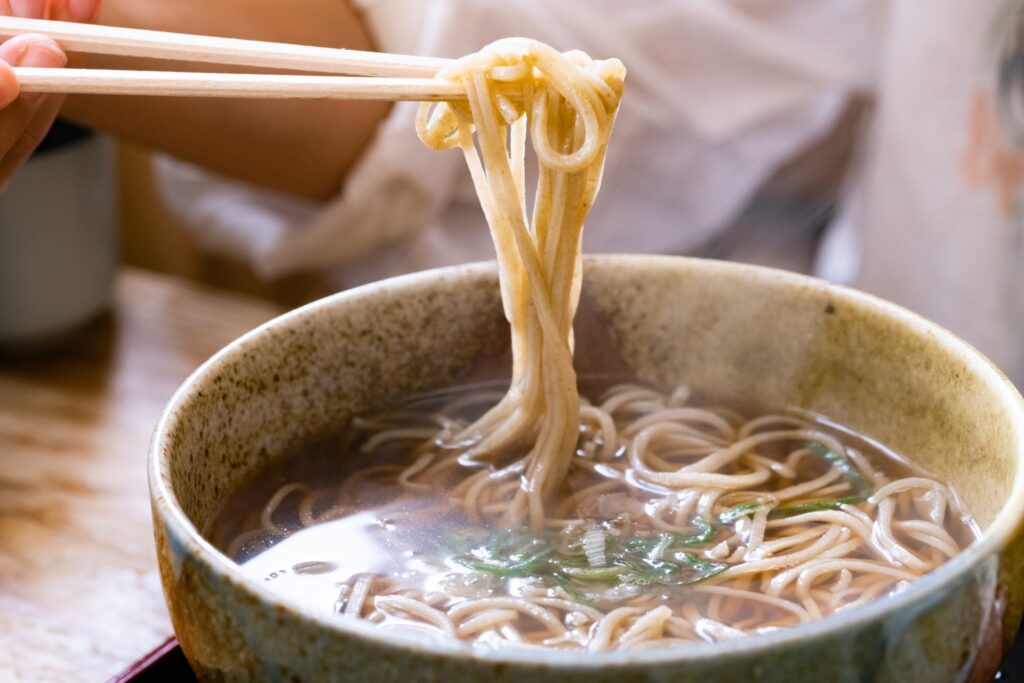
Many people eat toshikoshi soba, a simple noodle dish symbolizing longevity and the crossing from one year to the next.
For visitors, this calm creates an almost meditative atmosphere — a stark contrast to New Year celebrations elsewhere.
Joya-no-Kane: Letting Go at Midnight
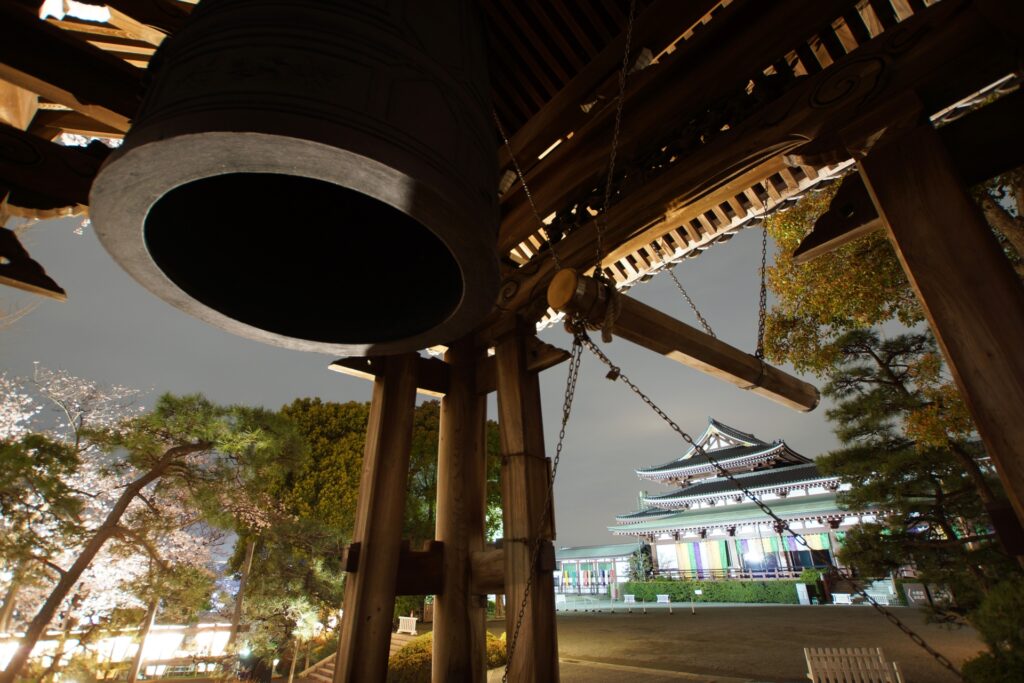
As midnight approaches, Buddhist temples across Japan begin joya-no-kane, ringing temple bells 108 times. Each strike represents the release of one worldly desire or human weakness, allowing people to enter the New Year purified.
Hearing these bells echo through the cold night is one of Japan’s most moving winter experiences. Some temples welcome visitors to observe quietly, while others allow participation.
Practical Travel Considerations
Travelers visiting Japan before New Year’s Eve should be aware that:
- Many businesses close early from December 29
- Public transport runs on holiday schedules
- Popular temples remain open and meaningful to visit
Private transportation can make navigating this period smoother, especially when schedules change or locations are less accessible.

A Thoughtful Prelude to the New Year in Japan
Japan’s year-end traditions are about reflection rather than celebration. For travelers, experiencing this period offers insight into values of mindfulness, preparation, and respect for renewal.
Witnessing these Japanese customs before the New Year deepens the appreciation of what follows — when Japan welcomes the year quietly, but with great meaning.