
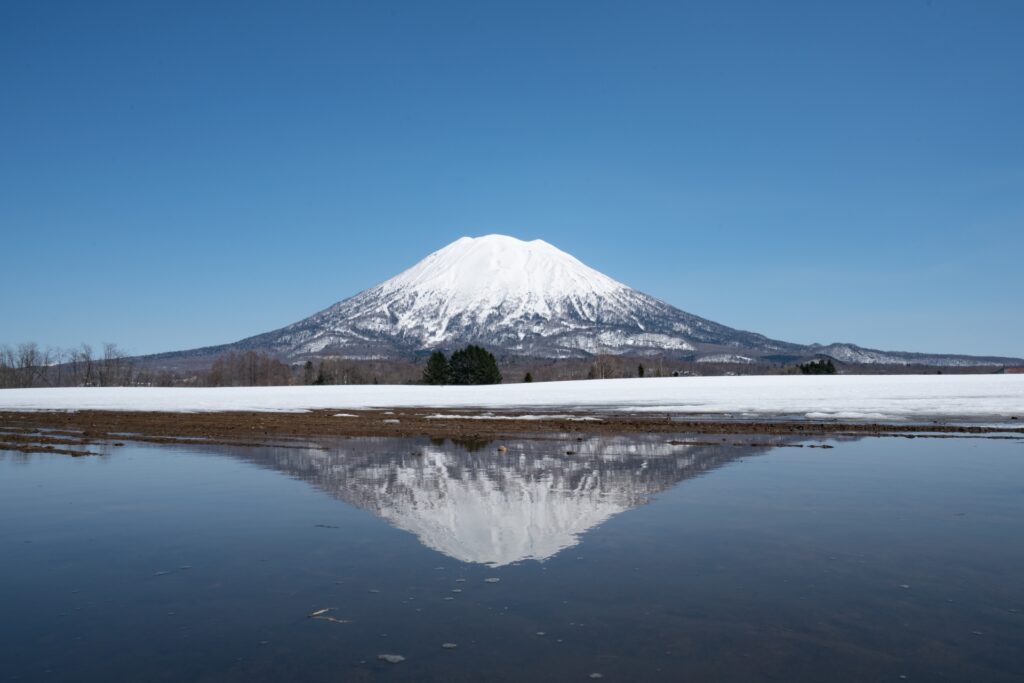
Winter Landscapes in Japan: Winter’s Quiet Beauty Across Japan
From January to March, Japan transforms into a land of soft whites, crystal-clear skies, and hushed scenery. While winter is often associated with ski resorts, some of Japan’s most breathtaking landscapes reveal themselves away from the slopes — snow-dusted temples, frozen lakes, mountain villages, and historic towns that feel untouched by time.
This is the season when crowds thin, air clarity improves, and scenery becomes strikingly dramatic. For travelers seeking visual beauty, peaceful exploration, and memorable winter moments, these snowy destinations offer Japan at its most atmospheric.
Here are some of the most beautiful winter landscapes to experience between January and March — all best enjoyed at a relaxed pace, with comfortable private transport.
Mt. Fuji & the Five Lakes Region (Yamanashi)
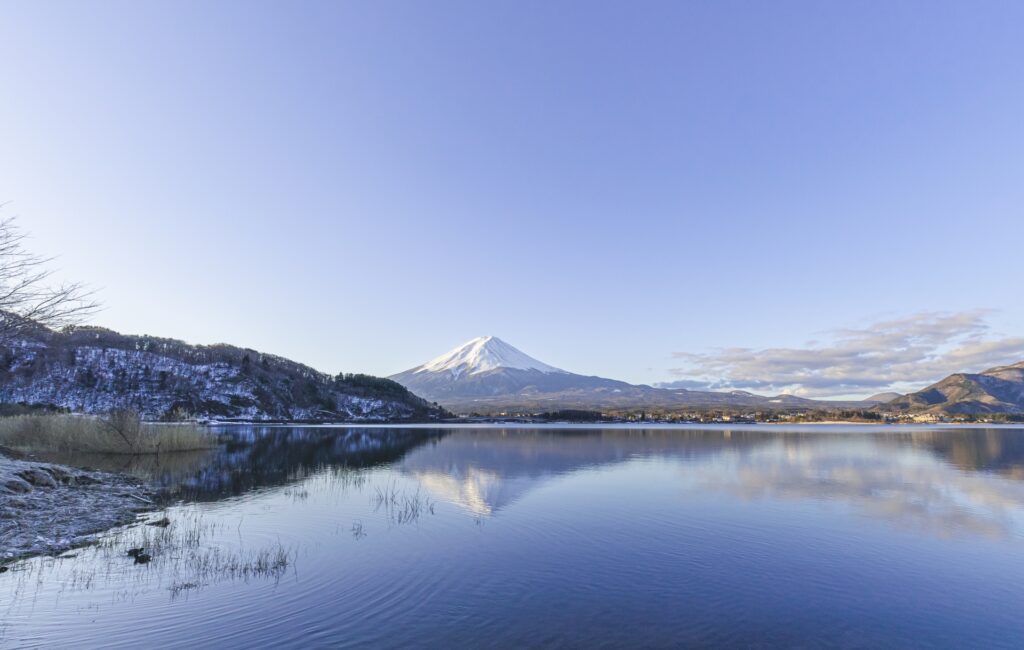
Winter is arguably the best season to see Mt. Fuji. From January to early March, the mountain’s snow-capped peak is at its clearest, often visible for long stretches of the day.
The Fuji Five Lakes region becomes calm and reflective in winter, with snow lining the shores and icy-blue skies creating postcard-perfect scenes. Lake Kawaguchi is especially beautiful after snowfall, when Mt. Fuji’s reflection appears sharp against the still water.
A private drive allows flexibility to stop at quieter viewpoints, lakeside paths, or scenic cafés depending on weather conditions — ideal in winter when timing matters.
Shirakawa-go (Gifu)
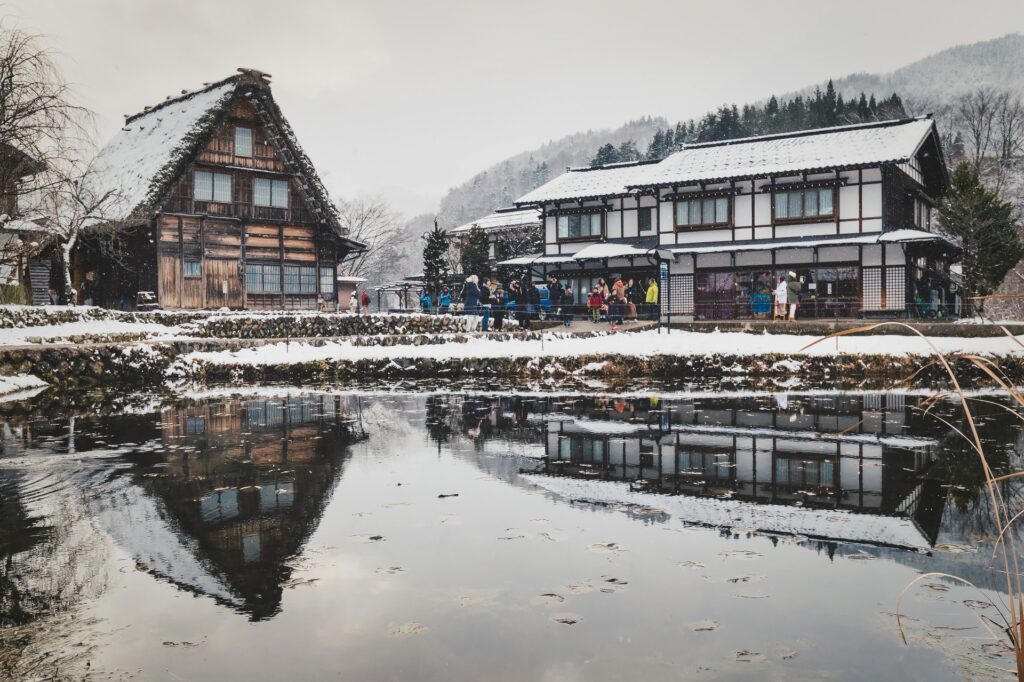
Few places feel as magical in winter as Shirakawa-go. This UNESCO-listed village, famous for its steep thatched-roof farmhouses, transforms into a fairytale landscape under heavy snow.
January and February are peak months for snowfall, when rooftops pile high with white and village lanes glow softly in the afternoon light. Walking through the village feels like stepping into another era.
Winter access can be limited by weather, making private transport especially valuable for safety, flexibility, and comfort — particularly for travelers visiting from Takayama or Kanazawa.
Takayama Old Town (Gifu)
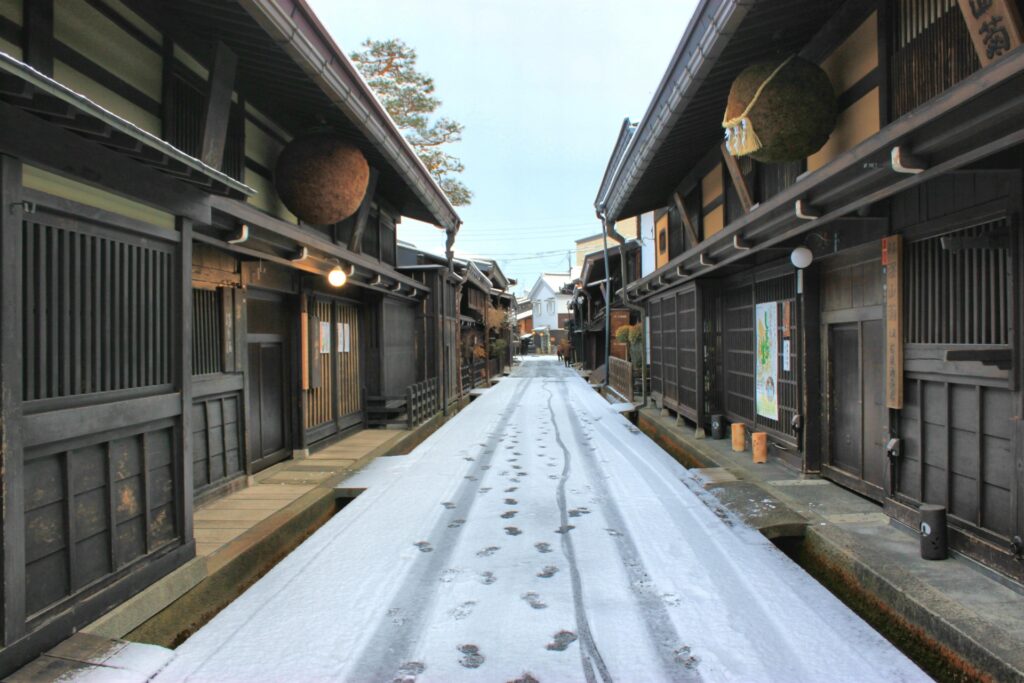
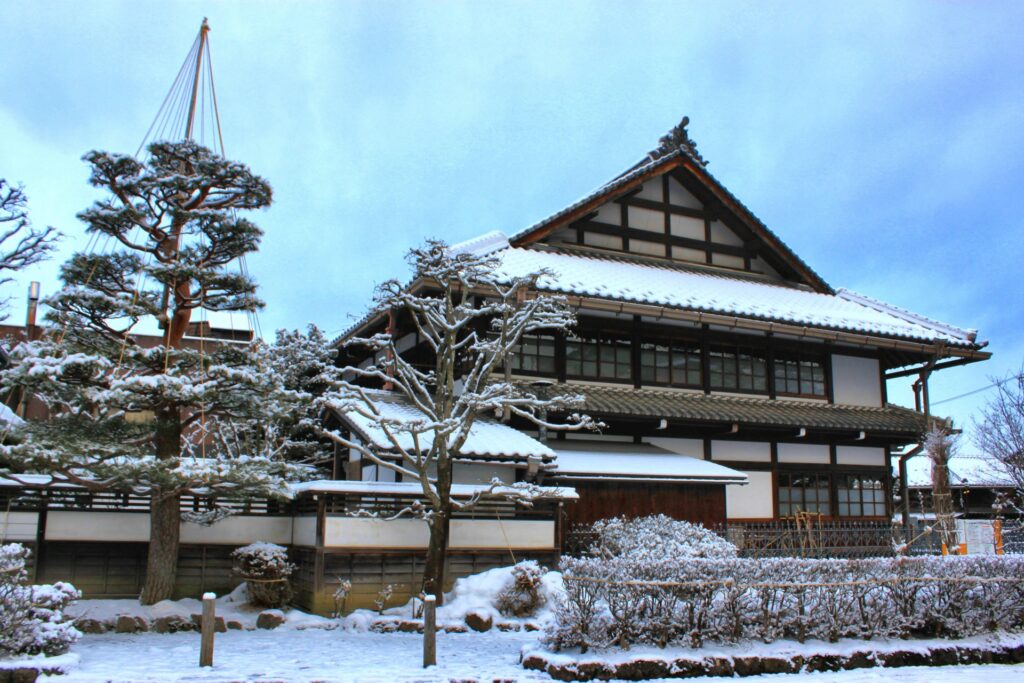
Takayama’s preserved Edo-era streets take on a quiet elegance in winter. Snow settles gently on wooden merchant houses, sake breweries release seasonal offerings, and morning walks feel calm and unhurried.
January to March is a wonderful time to explore the old town without crowds, enjoy warm local dishes, and visit nearby scenic viewpoints dusted with snow. The town’s compact layout makes it easy to enjoy, while private transport allows smooth connections from surrounding regions despite winter conditions.
Nikko Temples & Shrines (Tochigi)
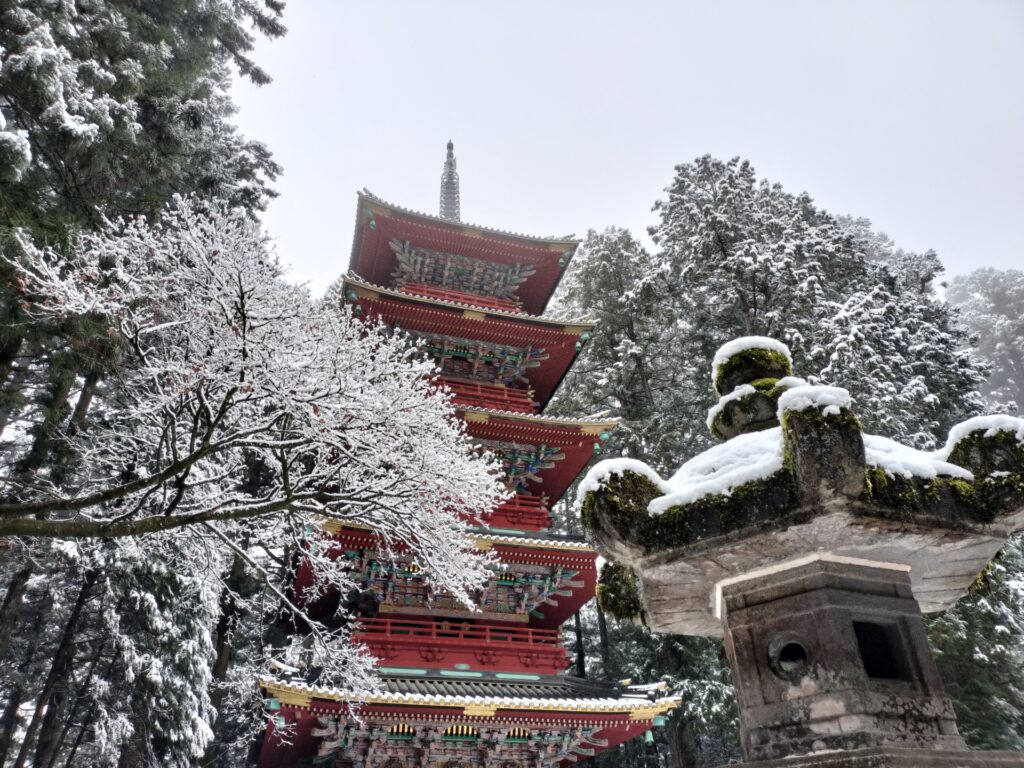
Nikko’s UNESCO-listed temples become especially atmospheric in winter. Snow clings to cedar trees, shrine roofs, and stone lanterns, creating a serene contrast to the area’s rich colors and ornate carvings.
Winter brings fewer visitors, allowing time to appreciate sites like Toshogu Shrine in near silence. The surrounding forests and mountain roads are stunning after fresh snowfall, making Nikko one of the most rewarding winter day trips from Tokyo.
Kyoto After Snowfall
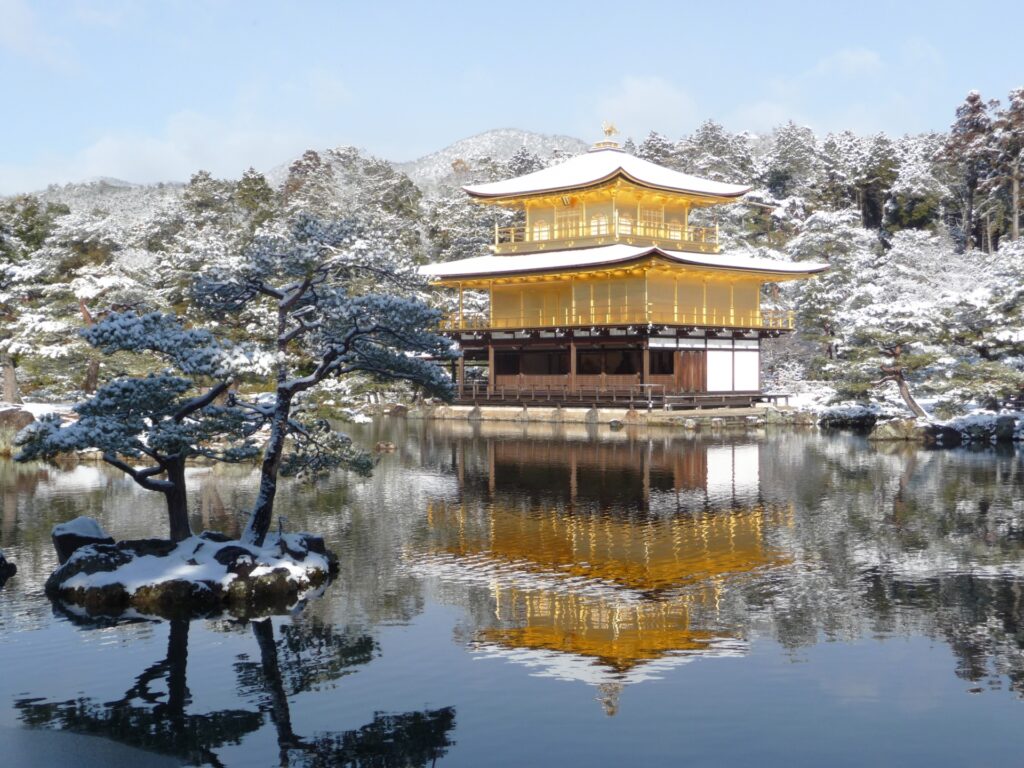
While Kyoto doesn’t see heavy snow often, the moments when it does are unforgettable. Temples such as Kinkaku-ji, Ryoan-ji, and Gion’s traditional streets become strikingly beautiful when dusted with white.
January and February are also some of Kyoto’s quietest months. Even without snow, winter gardens, moss-covered stones, and bare branches offer a refined beauty that rewards slow exploration.
Private transport allows travelers to move easily between temples without long walks or cold platform waits — a major advantage during winter.
Kanazawa & Kenrokuen Garden
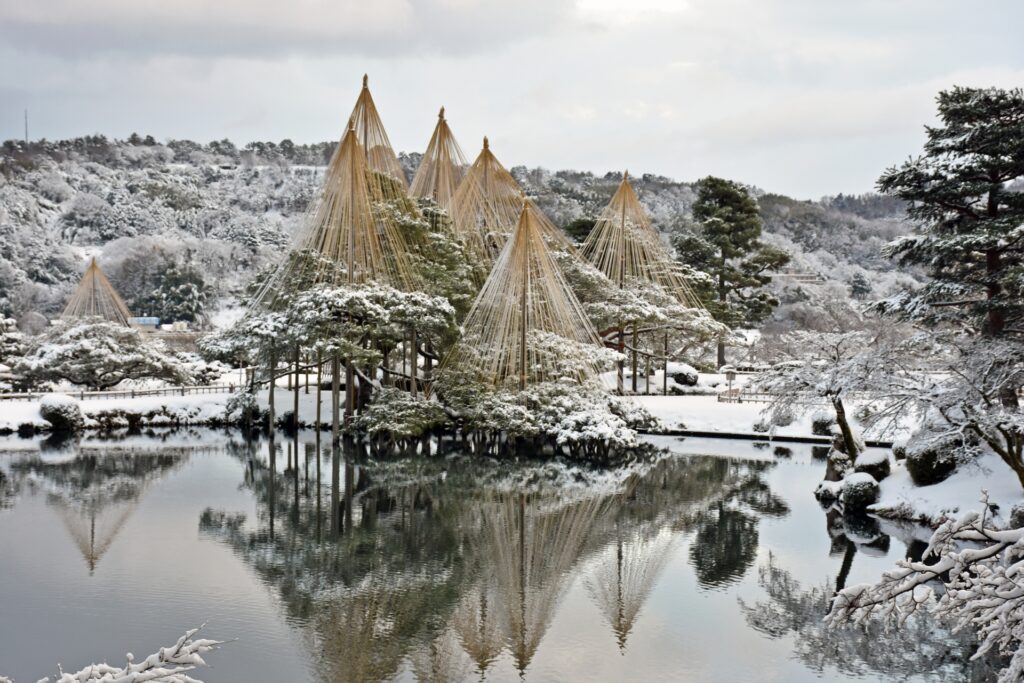
Kanazawa’s Kenrokuen Garden is one of Japan’s most celebrated winter landscapes. From January to March, trees are protected with traditional yukitsuri ropes, creating dramatic geometric scenes against snow-covered grounds.
Nearby samurai districts and old streets look particularly atmospheric under winter skies, making Kanazawa an excellent alternative to busier destinations.
Why Private Transport Matters in Winter
Winter travel in Japan is beautiful, but conditions can change quickly. Snow, icy roads, and limited daylight make flexibility and safety essential.
With a private transfer or charter, travelers benefit from:
- Safe winter driving by experienced local drivers
- Warm, comfortable vehicles between outdoor stops
- Flexible timing based on weather and visibility
- Easy access to remote or scenic locations
Winter landscapes are best enjoyed without stress — and a private transfer ensures the journey feels just as seamless as the destination.
Experience Winter Landscapes in Japan at Its Most Beautiful
From snow-covered villages to serene temples and crystal-clear mountain views, January to March reveals a quieter, more poetic side of Japan. These landscapes aren’t about rushing — they’re about taking time, breathing deeply, and enjoying winter’s calm beauty.
With thoughtful planning and comfortable travel, Japan’s winter scenery becomes one of the most memorable experiences of the year.