
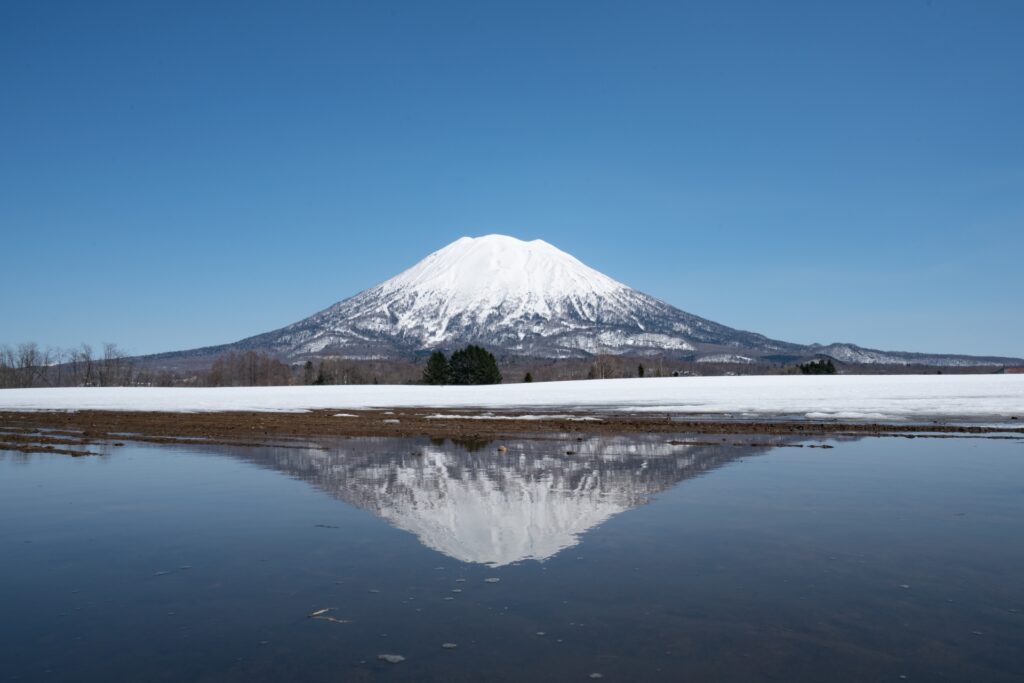
Late winter in Japan — the quiet weeks between peak ski season and the arrival of cherry blossom crowds — is one of the country’s most overlooked yet rewarding travel periods. While many visitors focus on the sakura season, those who arrive just before spring often discover a calmer, clearer, and more relaxed version of Japan that feels both seasonal and deeply atmospheric.
This period carries a unique beauty: the last crisp days of winter balanced with the first hints of spring. Gardens begin to bloom, skies are bright and sharply blue, and famous landmarks feel noticeably less crowded. Instead of rushing between peak-season attractions, travelers can move at a gentler pace and experience destinations more fully.
For visitors seeking comfort, scenery, and cultural depth without the intensity of peak travel periods, late winter may be one of the smartest times to explore Japan.
Plum Blossoms Begin to Bloom
Before cherry blossoms arrive, plum blossoms quietly signal the seasonal shift. Known as ume, these flowers bloom earlier — often from February into early March — and carry a subtle fragrance that fills temple gardens and parks.
Unlike the sakura season, plum blossom viewing remains calm and local in feeling. Visitors wander at their own pace, pausing under flowering trees or enjoying seasonal sweets from nearby stalls. The atmosphere feels contemplative rather than crowded.
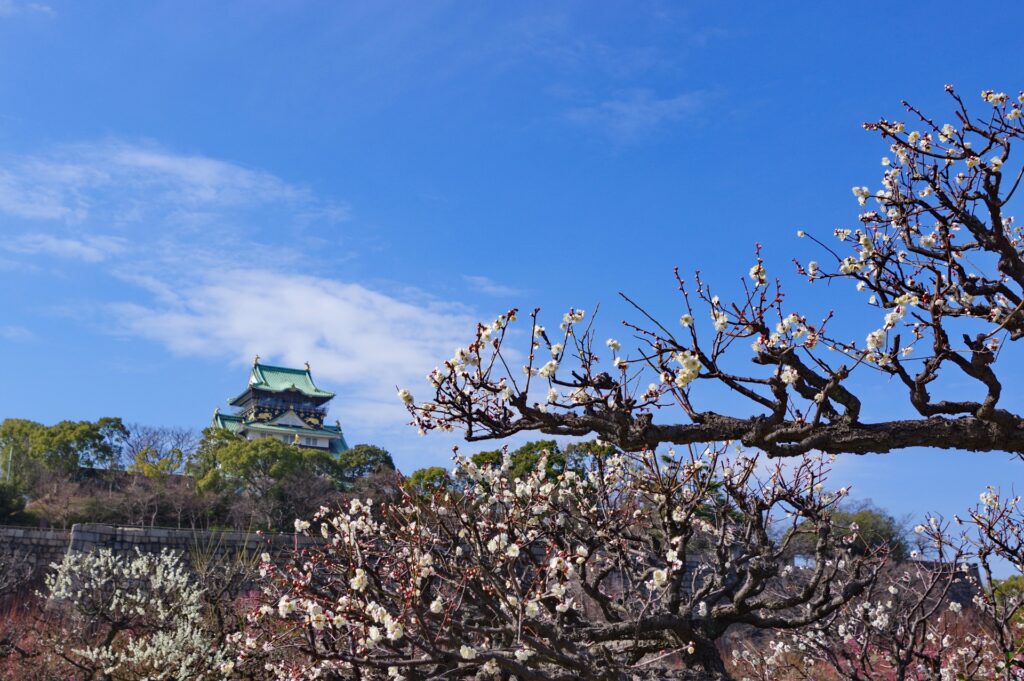
Popular plum blossom locations include:
- Yushima Tenjin Shrine (Tokyo)
- Kairakuen Garden (Ibaraki)
- Kitano Tenmangu Shrine (Kyoto)
- Osaka Castle Park (Osaka)
Colors range from delicate white to vivid magenta, creating soft, photogenic landscapes under bright winter skies. For photographers and nature lovers, this period offers seasonal beauty without the logistical challenges of peak bloom travel.
Crystal-Clear Views of Mt. Fuji
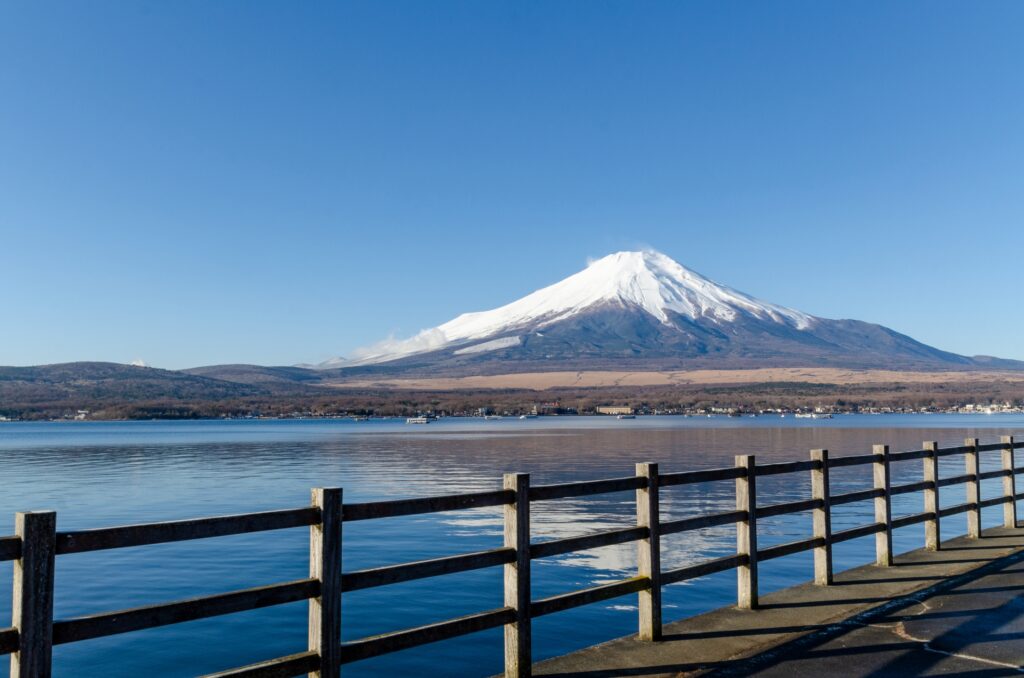
For many travelers, seeing Mt. Fuji clearly is a highlight of visiting Japan. Late winter provides some of the best viewing conditions of the entire year. Cold, dry air reduces haze, allowing the mountain’s snow-capped peak to appear sharp and striking against deep blue skies.
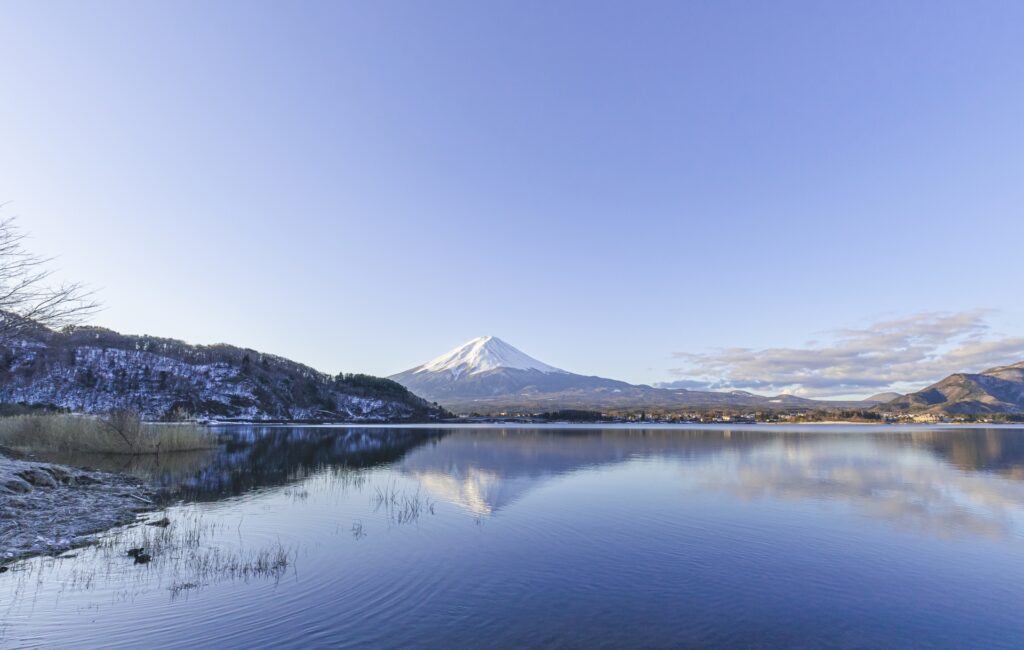
Destinations such as:
- Lake Kawaguchi
- Hakone
- Oshino Hakkai
- Fuji Five Lakes region
often offer clearer visibility now than in spring or summer. Mornings are especially rewarding, when light winds and low humidity create ideal viewing conditions.
With private tour by Hire Taxi Japan, travelers can adapt plans around weather — departing early on clear days or shifting locations based on visibility. This flexibility dramatically increases the chances of experiencing Fuji at its most iconic.
Fewer Crowds at Major Attractions
Late winter sits between major travel peaks: New Year holidays and cherry blossom season. As a result, many of Japan’s most famous cultural sites feel unexpectedly peaceful.
Visitors can enjoy:
- Quiet temple grounds in Kyoto
- Spacious park pathways in Nara
- Calm historic districts in Tokyo
- Easier access to scenic viewpoints
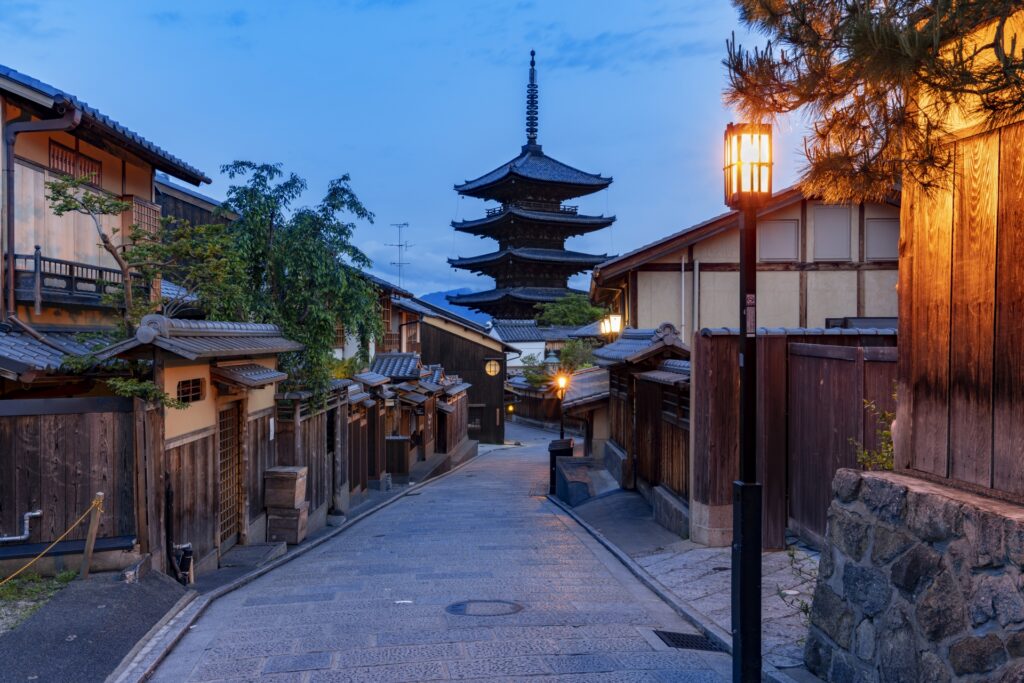
Instead of navigating large tour groups, travelers can pause, photograph, and absorb the atmosphere at their own rhythm. This slower pace often creates a deeper connection to the destination itself.
For travelers who value authenticity and tranquility, this window offers a rare balance between accessibility and serenity.
Comfortable Sightseeing Weather
Japan’s late winter climate is crisp but generally pleasant. On clear days, sunlight feels bright and invigorating rather than harsh, and walking conditions remain comfortable without summer humidity or heavy rainfall.
Advantages of this season include:
- Cool, refreshing temperatures
- Low humidity
- Stable weather patterns
- Clear daylight for photography
When combined with private vehicle travel, the experience becomes even more comfortable. Guests remain warm between stops, reduce exposure to cold winds, and avoid long outdoor waits at transport hubs. Sightseeing feels steady and relaxed rather than tiring.

Seasonal Winter Cuisine Still in Full Swing
Late winter also preserves Japan’s comforting seasonal food culture. Restaurants and markets continue serving hearty dishes designed for cooler weather, while early spring ingredients begin appearing.
Travelers can enjoy:
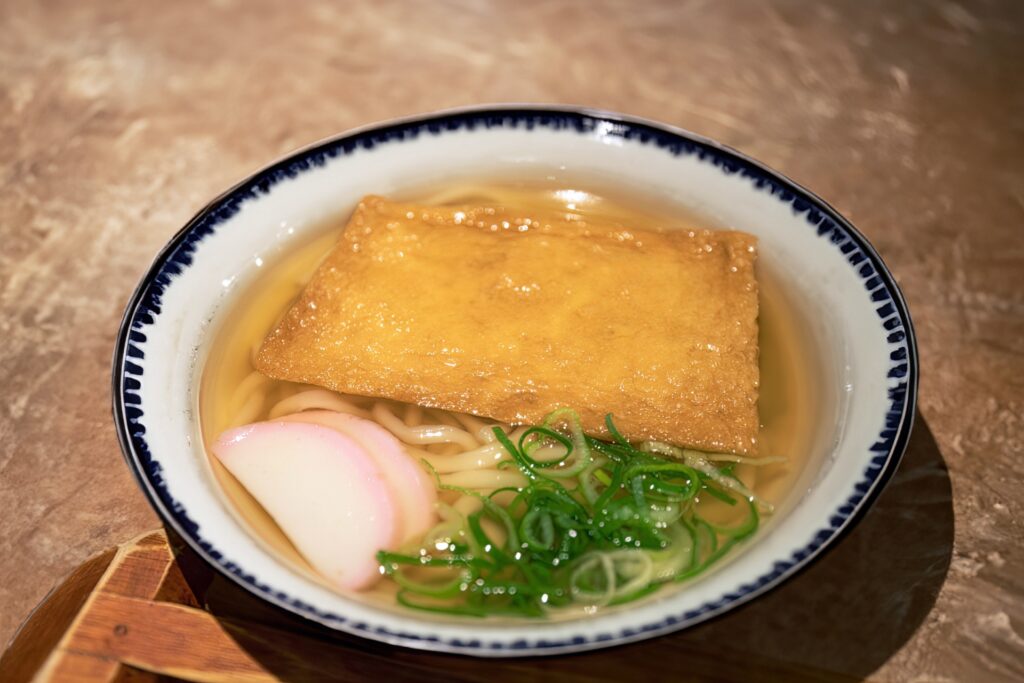
- Steaming bowls of ramen or udon
- Kyoto-style yudofu (warm tofu hot pot)
- Seasonal seafood dishes
- Early strawberry desserts and sweets
Dining during this period feels cozy and accessible. Reservations are easier, service is unhurried, and meals often become memorable moments within the day’s journey.
Why Late Winter Works Especially Well with Private Tours
Because late winter is both flexible and uncrowded, private tour becomes especially rewarding. Travelers can adjust routes based on bloom timing, weather clarity, or personal pace without competing for limited peak-season availability.
With Hire Taxi Japan, guests can:
- Visit multiple plum blossom sites comfortably
- Combine Mt. Fuji viewing with cultural stops
- Avoid crowded public transport routes
- Travel door-to-door in warm vehicles
- Adapt plans in real time
This level of flexibility transforms late winter travel from simple sightseeing into a calm, personalized experience.
A Calm Before Spring’s Rush – Late Winter in Japan
Cherry blossom season is undeniably beautiful — but it is also busy and fast-moving. Late winter offers something different: a gentle transition period where Japan feels spacious, seasonal, and quietly vibrant.
Travelers experience blooming gardens, clear mountain views, peaceful temples, and comforting cuisine without pressure or crowds. It is a season defined not by spectacle, but by atmosphere.
For those who prefer calm discovery over peak-season intensity, late winter may be Japan at its most enjoyable.