
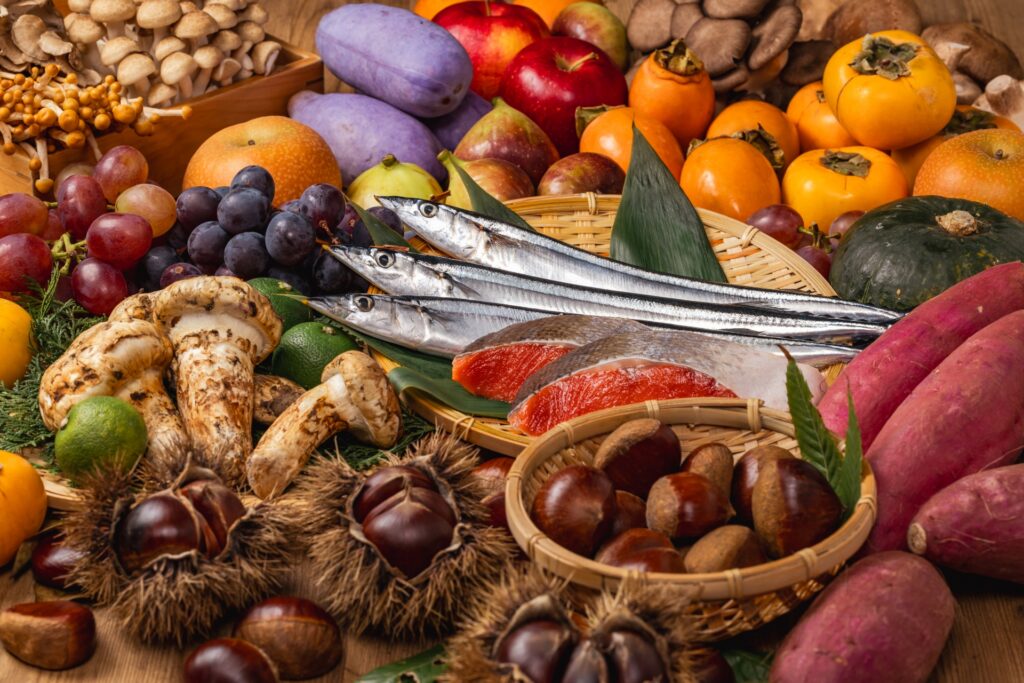
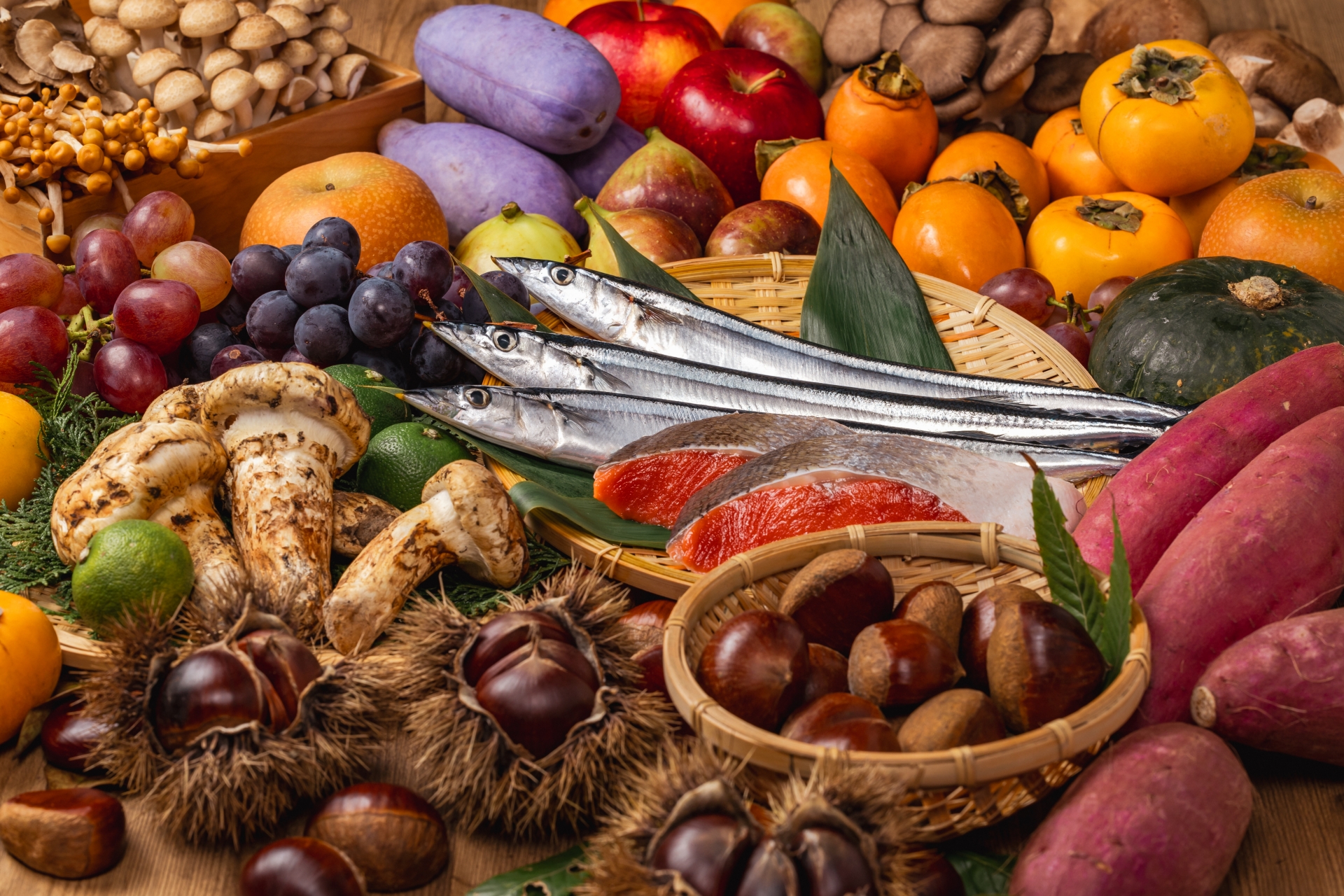
Autumn is one of the best seasons to experience Japanese food. As temperatures begin to drop, restaurants, markets and convenience stores fill with seasonal ingredients, traditional dishes and comforting flavours that are difficult to find at other times of the year.
From freshly roasted sweet potatoes to earthy mushrooms, chestnuts and warming hot pots, Japanese autumn food reflects the changing season. If you are visiting Japan between September and November, look out for these seven seasonal favourites.
1. Matsutake Mushrooms
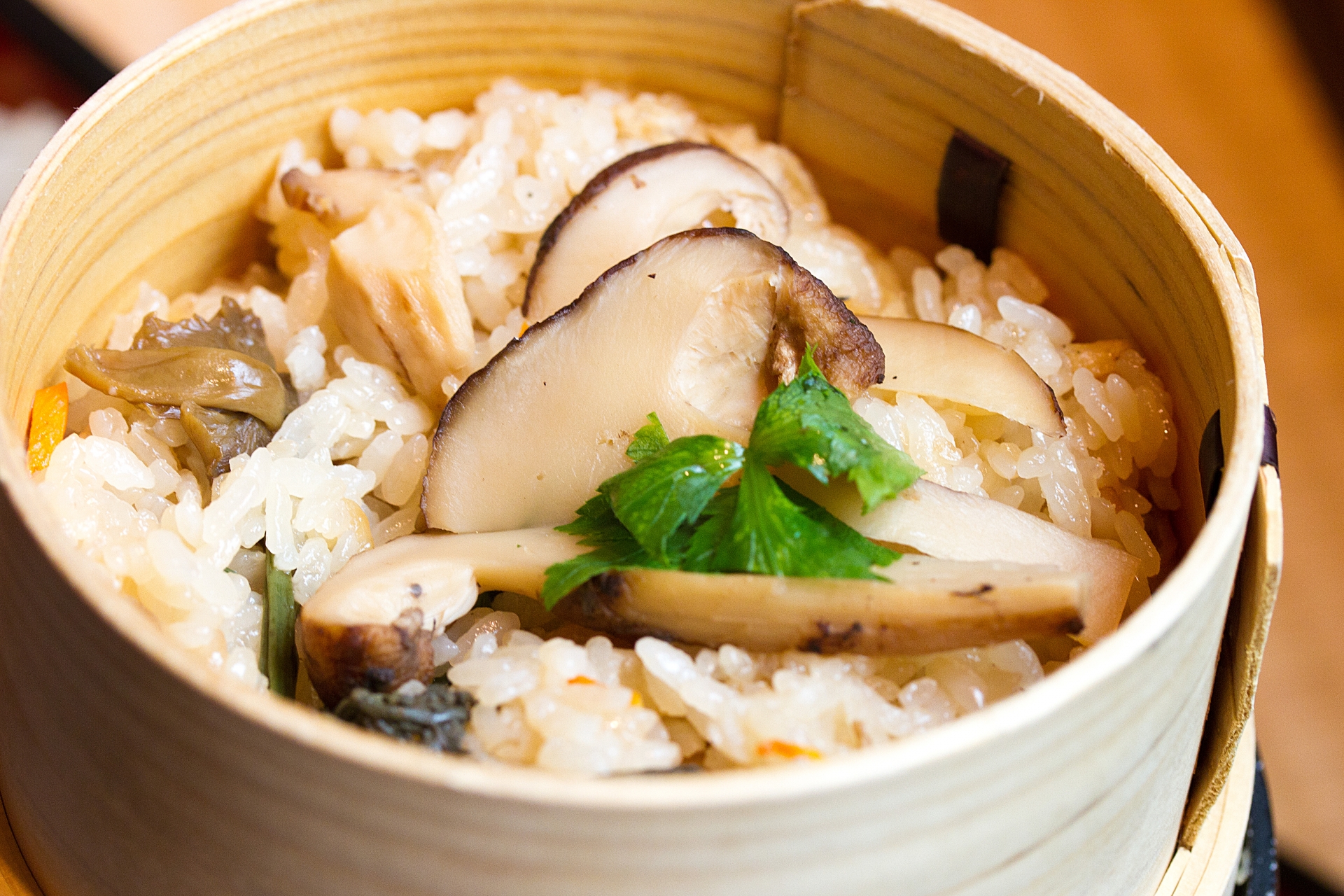
Matsutake mushrooms are among Japan’s most prized autumn ingredients. Known for their distinctive aroma and firm texture, these seasonal mushrooms are often featured in special autumn dishes.
You may find matsutake served simply grilled, cooked with rice or included in clear soups. One classic preparation is matsutake gohan, where the mushrooms are cooked with Japanese rice to allow their fragrant flavour to shine.
Because high-quality matsutake can be expensive, they are often treated as a special seasonal ingredient. Look for them on restaurant menus and at food markets during autumn.
2. Sweet Potatoes – Satsumaimo
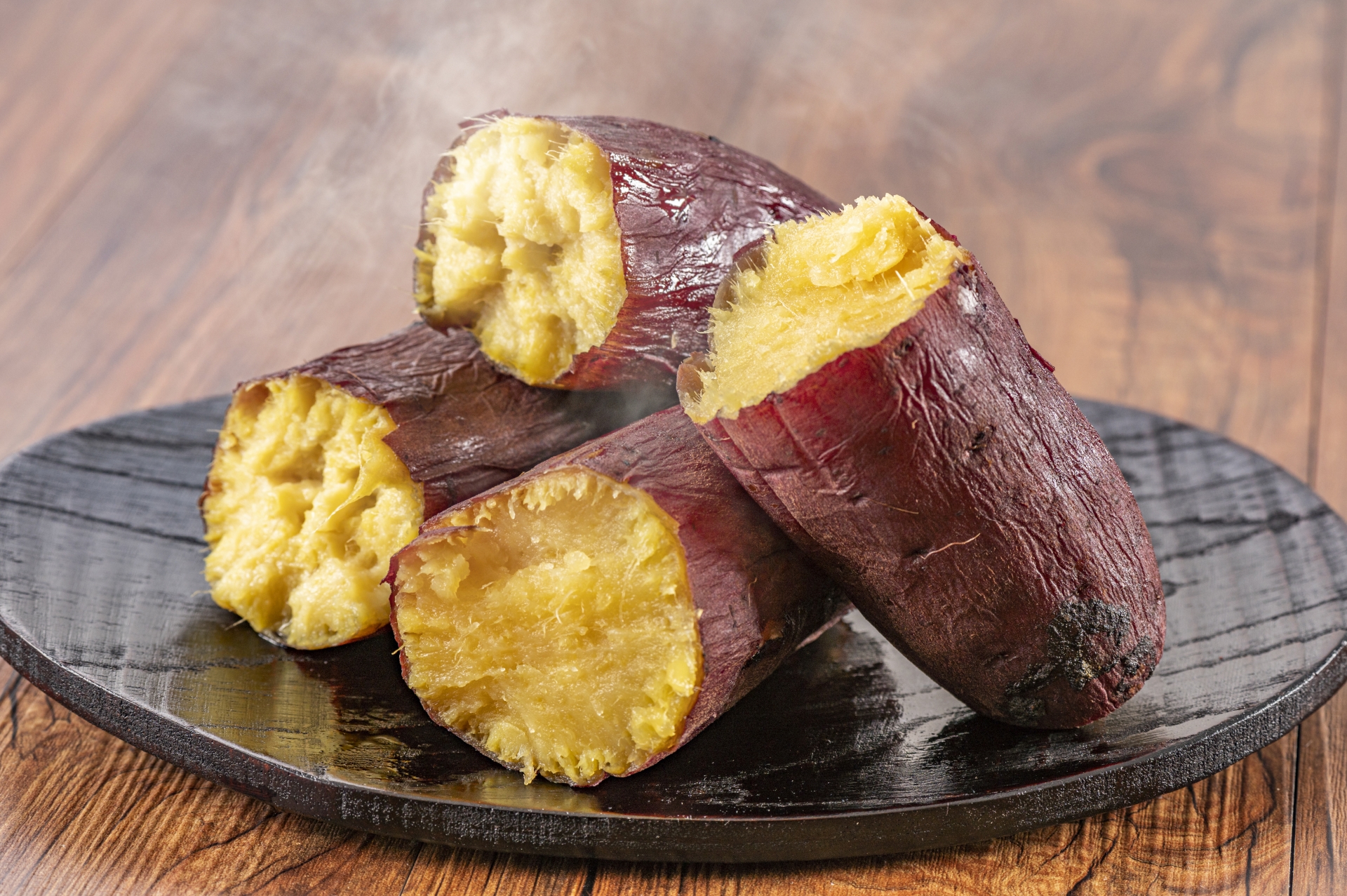
Few foods capture the feeling of Japanese autumn quite like satsumaimo, or Japanese sweet potatoes.
As the weather cools, you will often see yakiimo, roasted sweet potatoes, being sold at specialist shops, markets and seasonal events. Slowly roasted until soft and naturally sweet, they make a simple but satisfying autumn snack.
Satsumaimo are also used in desserts, cakes and pastries throughout the season. If you spot a yakiimo stand during your travels, it is an easy and affordable way to try one of Japan’s classic autumn flavours.
3. Chestnuts – Kuri
Chestnuts, known as kuri in Japanese, are another popular autumn ingredient. Their naturally sweet and nutty flavour makes them particularly versatile.
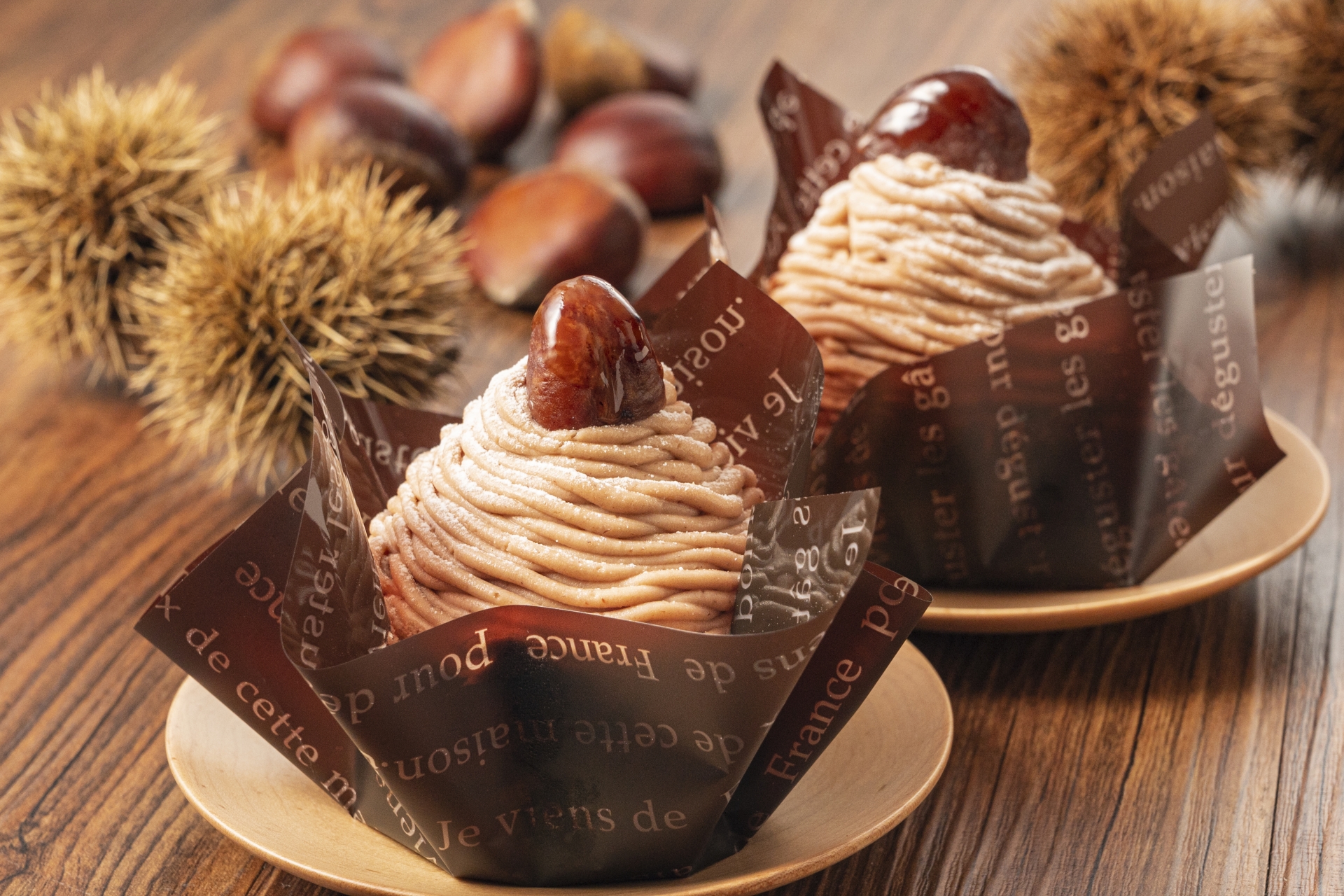
One traditional dish to look for is kuri gohan, Japanese rice cooked with chestnuts. Chestnuts are also used extensively in autumn sweets, including wagashi, cakes and the popular Mont Blanc-style desserts found in cafés and patisseries.
Kyoto, Tokyo and other major cities often have seasonal chestnut desserts during autumn, making them easy to find during a sightseeing day.
4. Persimmons – Kaki
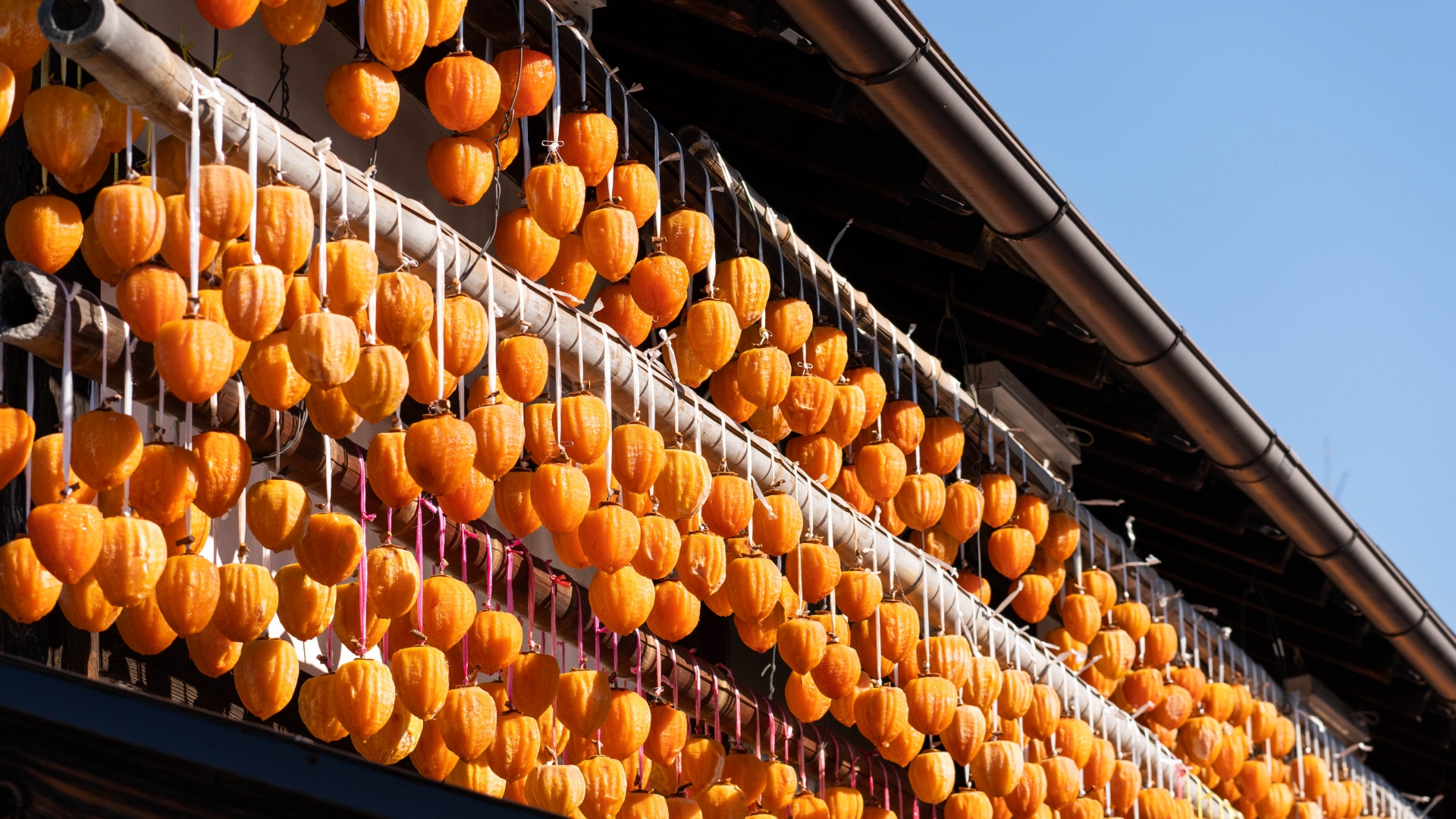
Persimmons, or kaki, are a classic autumn fruit in Japan. When ripe, they have a naturally sweet flavour and soft texture, although different varieties can vary considerably.
You may see fresh persimmons at supermarkets and markets, while hoshigaki, or dried persimmons, are another traditional autumn and winter treat.
Look for kaki at local markets, fruit shops and seasonal dessert menus. They are a simple way to experience a fruit that is closely associated with Japan’s autumn harvest.
5. Pacific Saury – Sanma
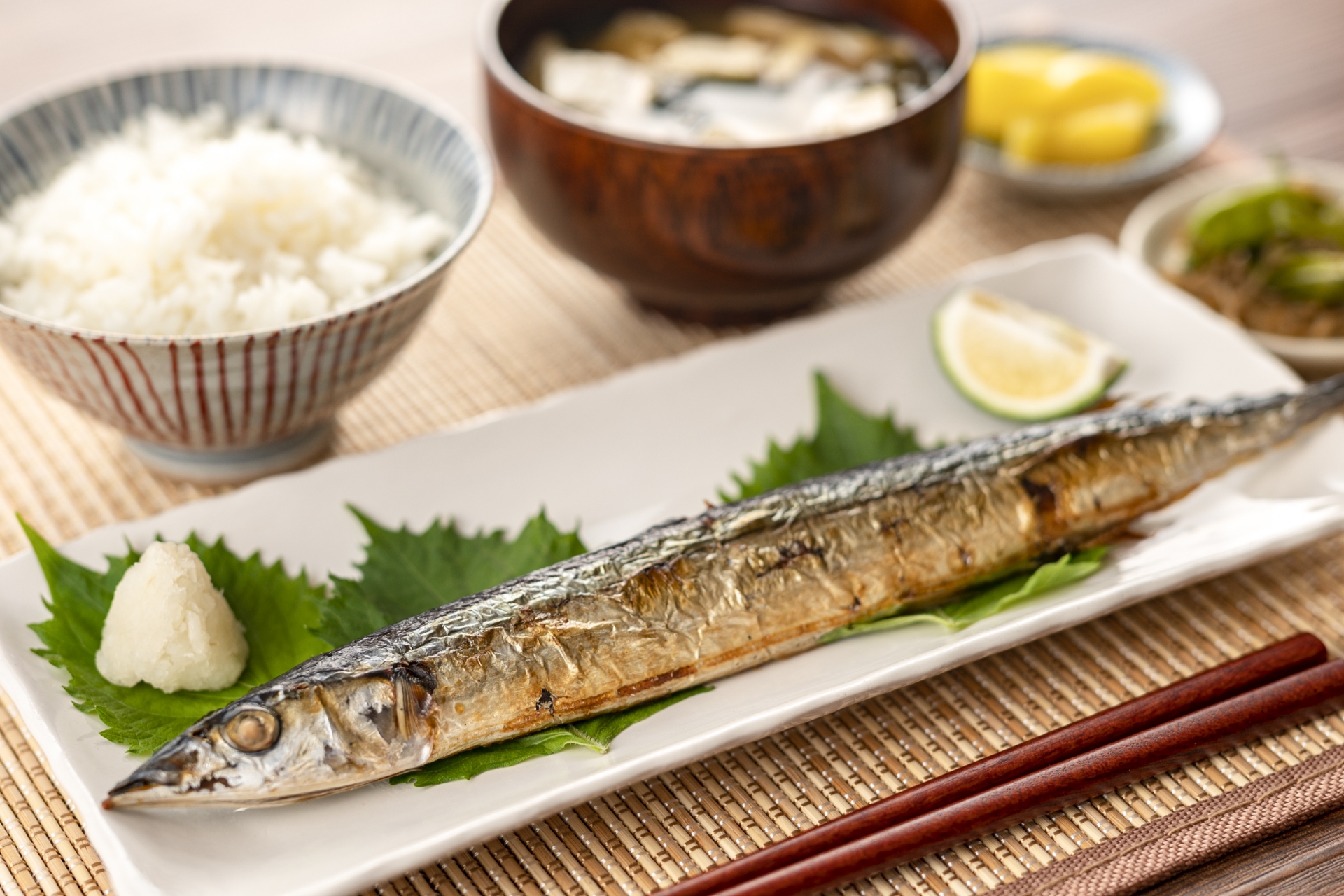
Sanma, or Pacific saury, is traditionally associated with autumn in Japan. The fish is commonly grilled whole and served with grated daikon and a squeeze of citrus such as sudachi or lemon.
The preparation is simple, allowing the flavour of the freshly grilled fish to stand out. You may find sanma at traditional Japanese restaurants, izakayas and seasonal menus during autumn.
For travellers who enjoy seafood, trying grilled sanma is a great way to experience a traditional Japanese autumn meal.
6. Kabocha Pumpkin
Kabocha is a Japanese variety of winter squash with a dense texture and naturally sweet, rich flavour.
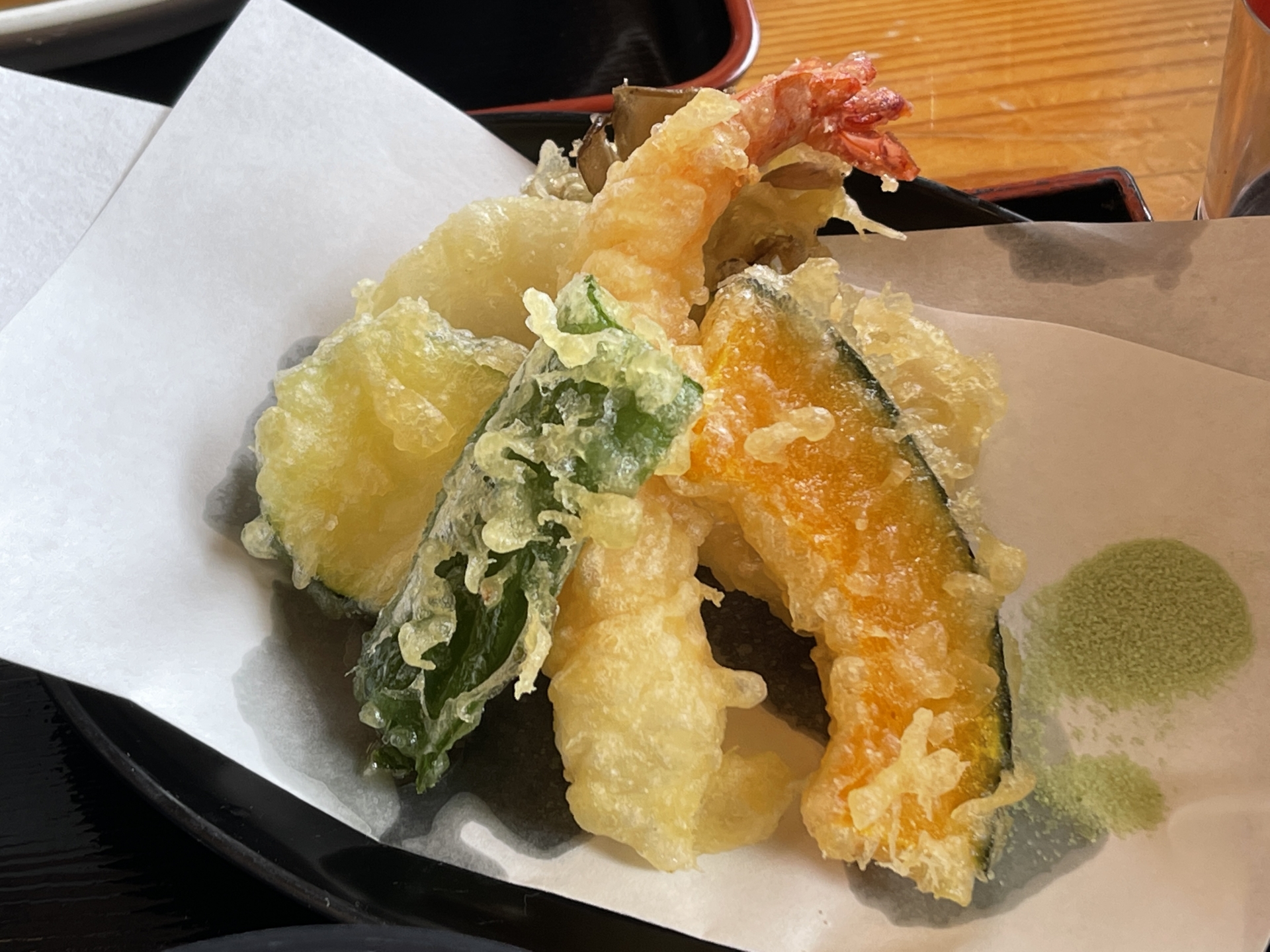
During autumn, you may find kabocha prepared in many different ways. It can be simmered in a lightly seasoned broth, made into tempura or incorporated into soups and seasonal desserts.
Its sweetness also makes it popular in modern autumn treats, including cakes, puddings and pastries. Look out for kabocha dishes at restaurants, cafés and bakeries as the weather gets cooler.
7. Nabe – Japanese Hot Pot
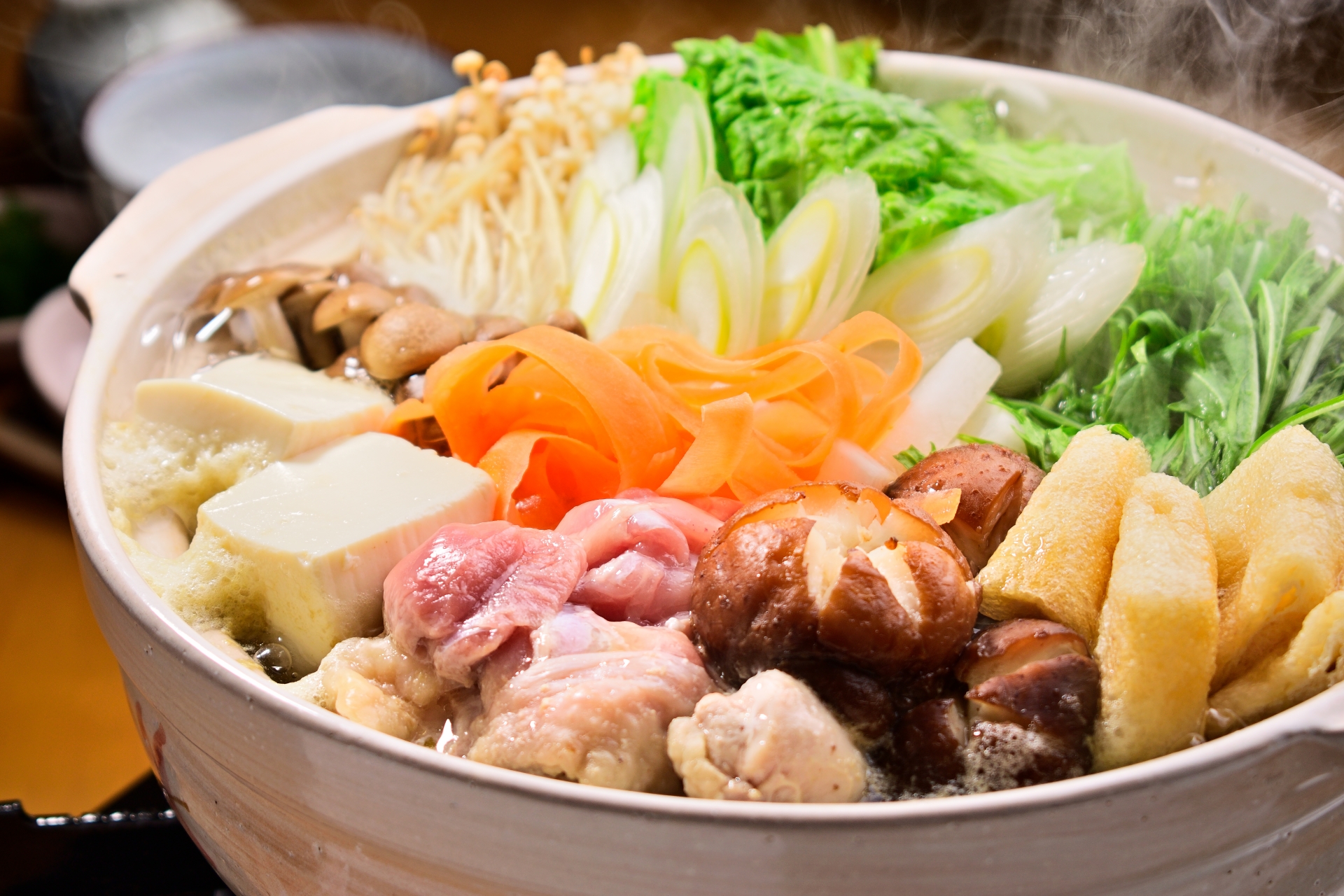
As temperatures drop, nabe, or Japanese hot pot, becomes a comforting choice for autumn and winter meals.
There are many varieties of nabe, with ingredients commonly including vegetables, mushrooms, tofu, meat or seafood cooked together in a flavourful broth. The ingredients and seasonings vary depending on the region and type of hot pot.
Nabe is often enjoyed as a shared meal, making it particularly suitable for couples, families and groups. Look for specialist nabe restaurants or seasonal menus during the cooler months.
Where to Find Japanese Autumn Food
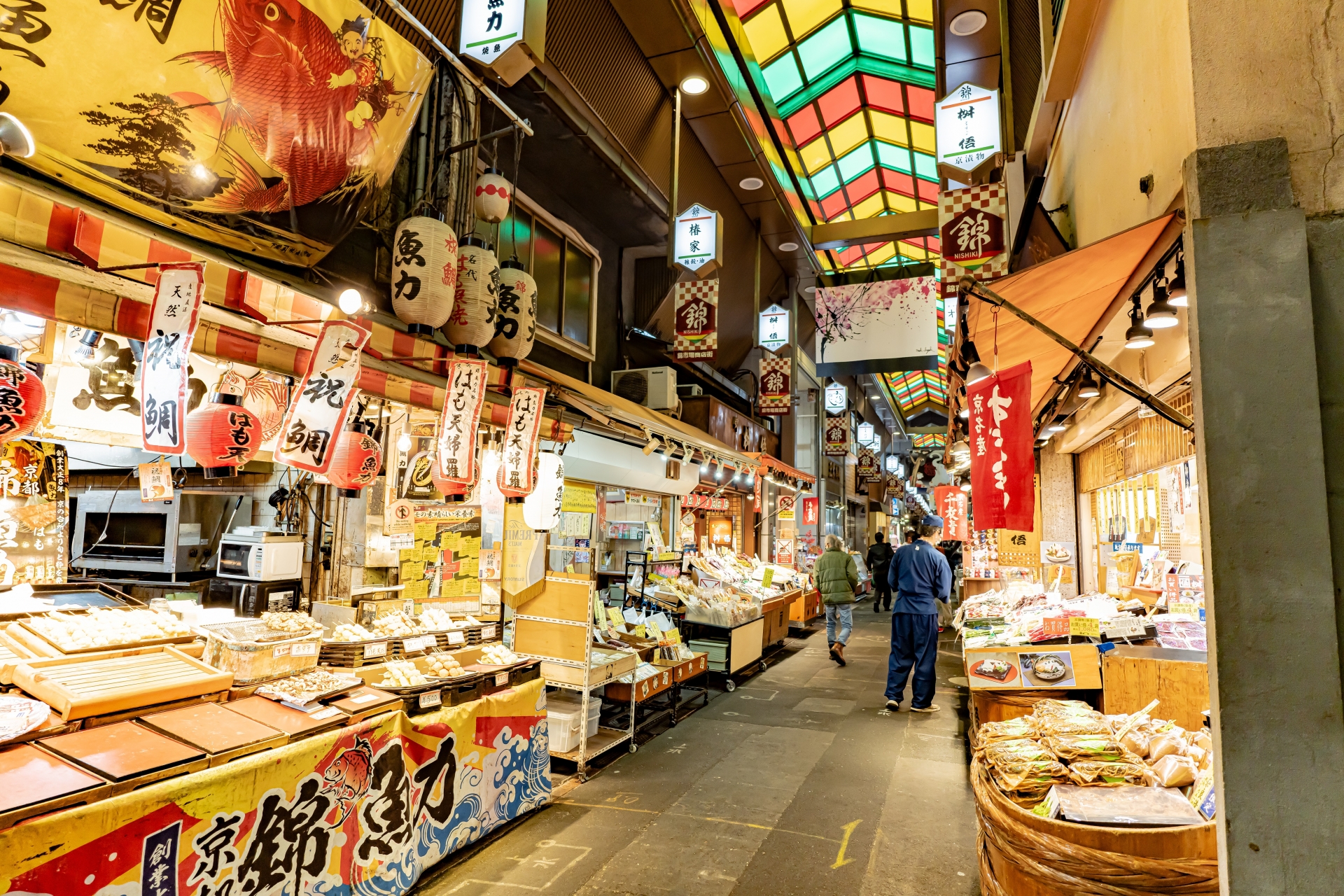
One of the best things about seasonal food in Japan is that you do not necessarily need to visit an expensive restaurant to try it. Department-store food halls, local supermarkets, markets, cafés, bakeries and convenience stores often introduce seasonal products throughout autumn.
For a wider selection, visit local food markets or department-store basements known as depachika, where you can find everything from seasonal sweets to prepared dishes and fresh ingredients.
Seasonal menus can also change quickly, so if you see something that catches your eye, it may be worth trying it while it is available.
Explore Japan’s Autumn Flavours by Private Vehicle
Food can be one of the best ways to experience Japan beyond its famous landmarks. A private sightseeing itinerary gives you the flexibility to combine food experiences with markets, restaurants, countryside stops and seasonal attractions.
With Hire Taxi Japan, you can arrange private transportation for sightseeing around Tokyo, Kyoto, Osaka and other destinations. A private vehicle can make it easier to explore different areas while keeping your itinerary flexible, particularly when travelling with family or a group.
From fragrant matsutake mushrooms and roasted sweet potatoes to chestnut desserts and steaming nabe, autumn offers an incredible variety of seasonal flavours to discover.
If you are travelling to Japan during the cooler months, make time to look beyond the usual dishes and seek out the ingredients that are available specifically in autumn. Trying seasonal food is a delicious way to experience another side of Japanese culture and make your trip even more memorable.
Book your private transfers and tours today with Hire Taxi Japan.