
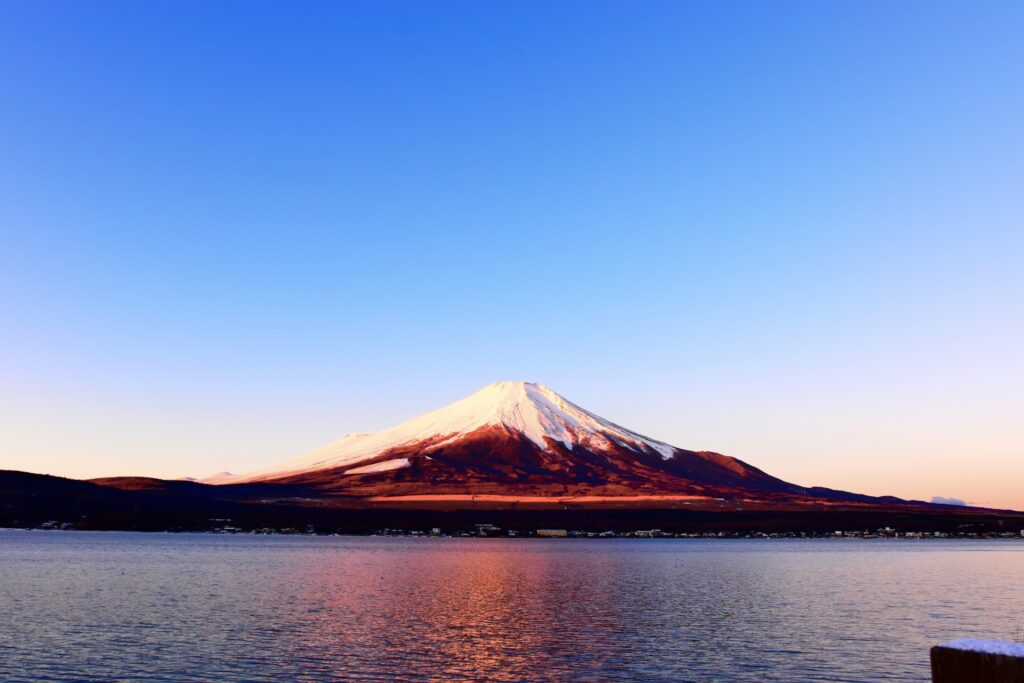
A Gentle Beginning to the New Year in Japan
New Year’s Day in Japan begins not with fireworks or loud celebrations, but with stillness. As January 1 arrives, the country feels hushed and reflective. Streets are quiet, shops remain closed, and families gather calmly at home or head out for meaningful traditions passed down for generations.
For travelers, this creates a rare opportunity to experience Japan at its most authentic — a moment when daily life slows, and cultural values of gratitude, renewal, and intention come into focus.
Hatsumode: The First Shrine Visit of the Year — New Year tradition in Japan
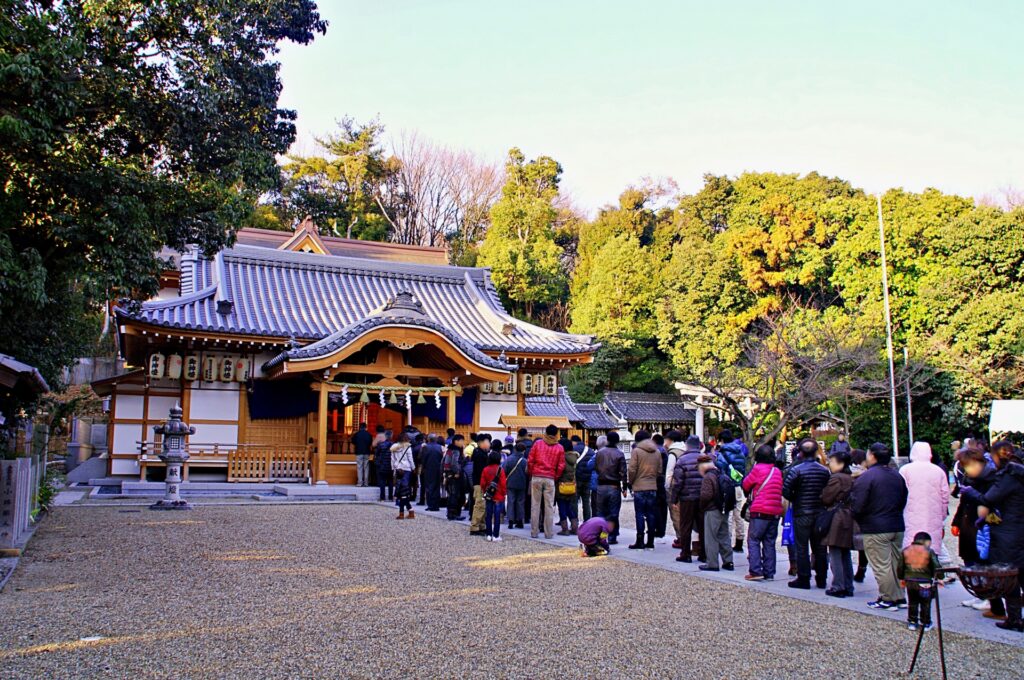
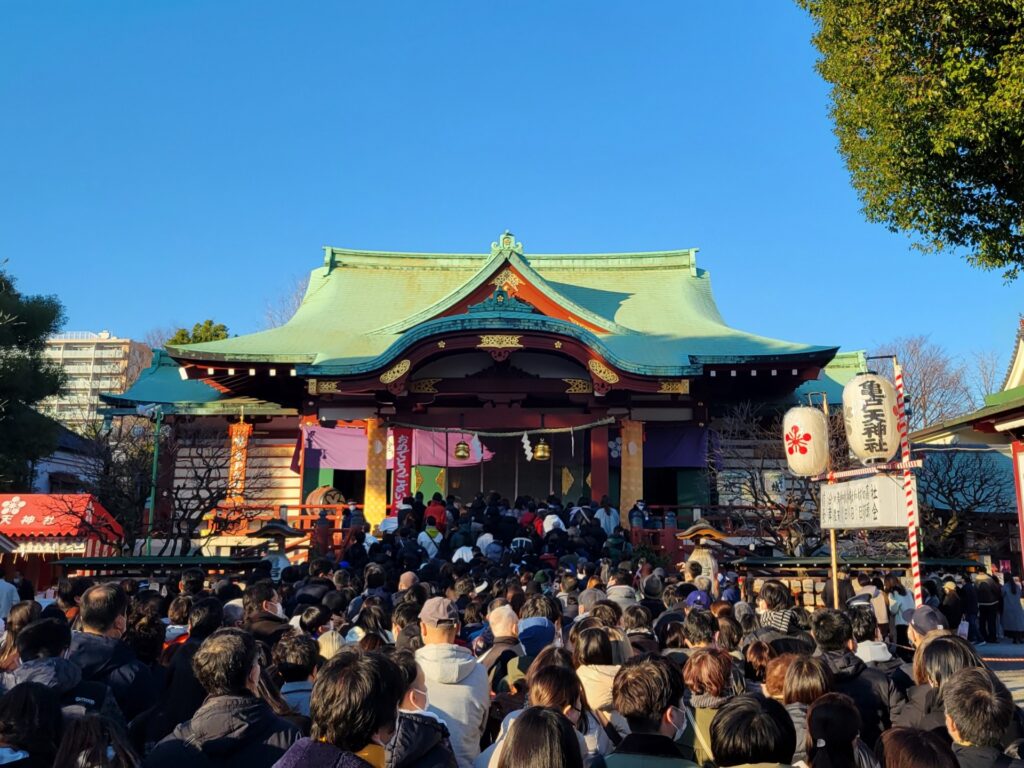
The most important New Year tradition in Japan is hatsumode, the first visit to a shrine or temple of the year. Typically observed from January 1 to January 3, people pray for good health, happiness, safe travels, and success in the year ahead.
Visitors will notice a gentle rhythm to these visits:
- Families walking together, often three generations deep
- Couples making quiet wishes side by side
- Locals patiently waiting their turn to approach the shrine hall
Major shrines such as Meiji Jingu in Tokyo or Fushimi Inari in Kyoto can be lively during peak hours, but smaller neighborhood shrines offer a calmer, equally meaningful experience — often just a short drive away.
How the Ritual Works (And How Visitors Can Participate)
Hatsumode follows a simple and respectful process:
- Cleanse hands and mouth at the purification fountain
- Approach the main hall
- Toss a coin into the offering box
- Bow, clap twice, make a wish, and bow again
Travelers are welcome to observe or participate respectfully. No special clothing is required — just mindfulness and quiet appreciation.

Omamori, Omikuji & Symbols of Good Fortune
During New Year visits, shrines offer omamori (protective charms) believed to bring good fortune in specific areas, such as:
- Safe travel
- Business success
- Health and longevity
- Academic achievement
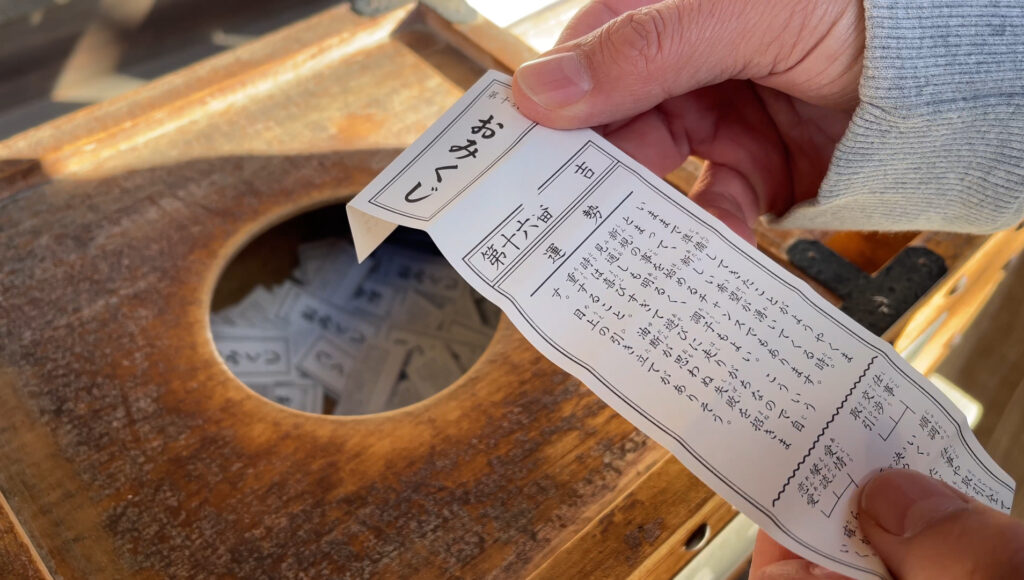
Another popular tradition is drawing omikuji, paper fortunes that reveal what the year may hold. If the fortune is unfavorable, it’s tied to a rack or tree — symbolically leaving bad luck behind and starting fresh.
These rituals are simple but meaningful, giving travelers a tangible connection to Japan’s spiritual culture.
New Year Cuisine: Comfort, Warmth & Meaning
Food plays an essential role in Japan’s New Year celebrations. While most restaurants remain closed, travelers can still experience seasonal dishes tied to tradition.
Common New Year cuisine include:
- Ozoni, a warming soup with mochi, vegetables, and broth that varies by region
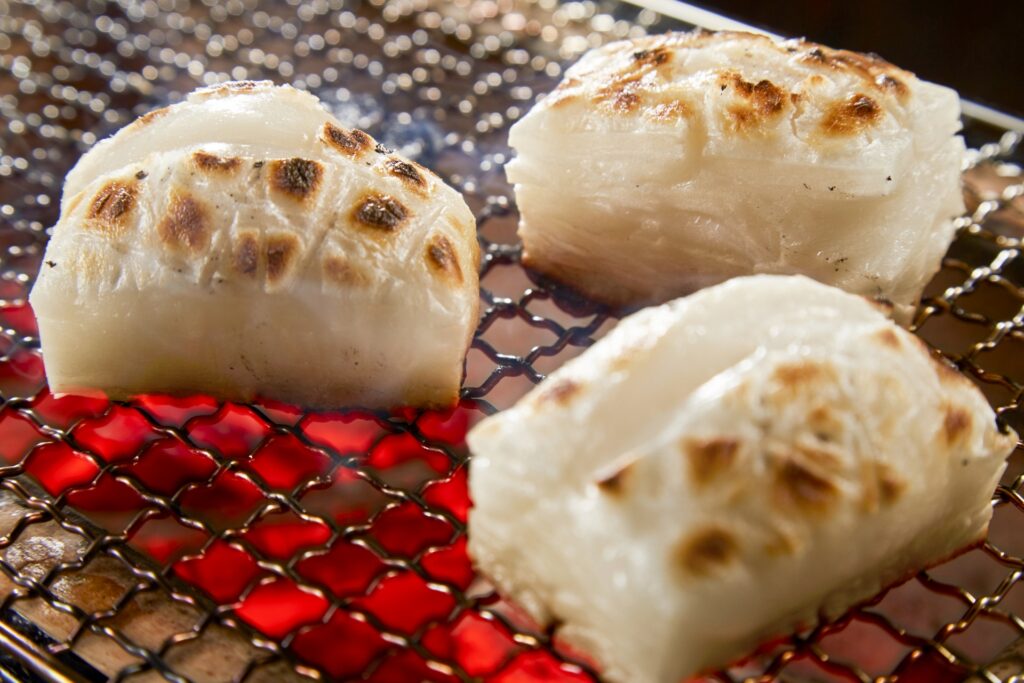
- Freshly grilled mochi, often sold near shrines
- Amazake, a mildly sweet fermented rice drink served warm during winter
Many hotels and ryokan offer special New Year breakfasts or meals, allowing visitors to enjoy these dishes without needing to seek out open restaurants.
A Rarely Seen Side of Japan’s Cities
From January 1 to 3, even Japan’s busiest cities feel transformed. Shopping streets are closed, offices are dark, and traffic is minimal. Landmarks that are usually packed feel spacious and quiet.
For travelers, this creates:
- Ideal conditions for peaceful walks
- Unique photo opportunities without crowds
- A slower pace that encourages observation and reflection
It’s a side of Japan that few visitors ever see — one defined by calm rather than activity.
Travel Considerations for Early January
While beautiful, traveling during New Year requires some planning:
- Public transport runs on holiday schedules
- Dining options outside hotels are limited
- Shrine crowds peak late morning to afternoon
Private transportation offers comfort and flexibility during this period, especially in winter conditions and when visiting multiple locations in a single day.
Why Experiencing New Year in Japan Feels So Meaningful
Unlike festivals staged for tourism, New Year tradition in Japan is lived experiences. Visitors witness genuine moments of prayer, family connection, and quiet reflection — not performances.
It’s a time when Japan shows its values clearly: respect for the past, mindfulness in the present, and hope for the future.
Starting the Year with Intention with New Year tradition in Japan
Experiencing New Year in Japan offers more than sightseeing — it offers perspective. Whether visiting a shrine at sunrise, enjoying a warm bowl of ozoni, or walking through a silent city street, travelers begin the year grounded and inspired.
For those seeking a meaningful start to the year, few experiences compare to welcoming January in Japan — calm, purposeful, and quietly unforgettable.